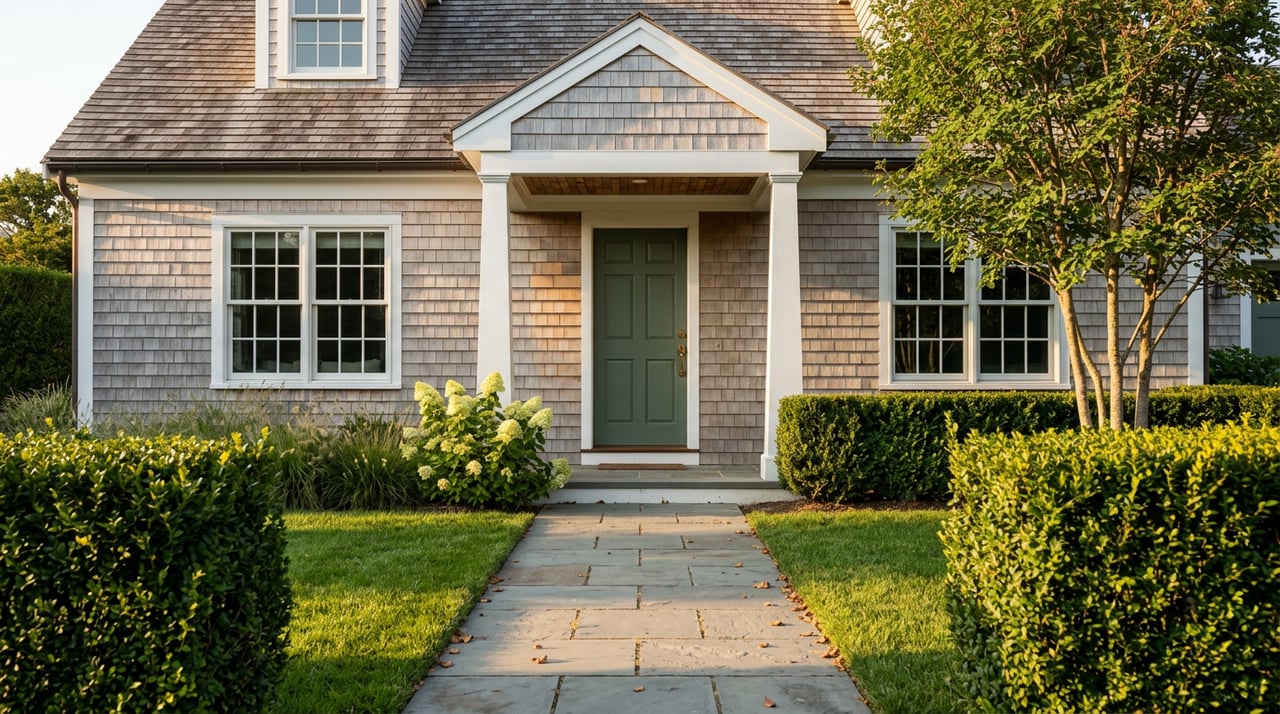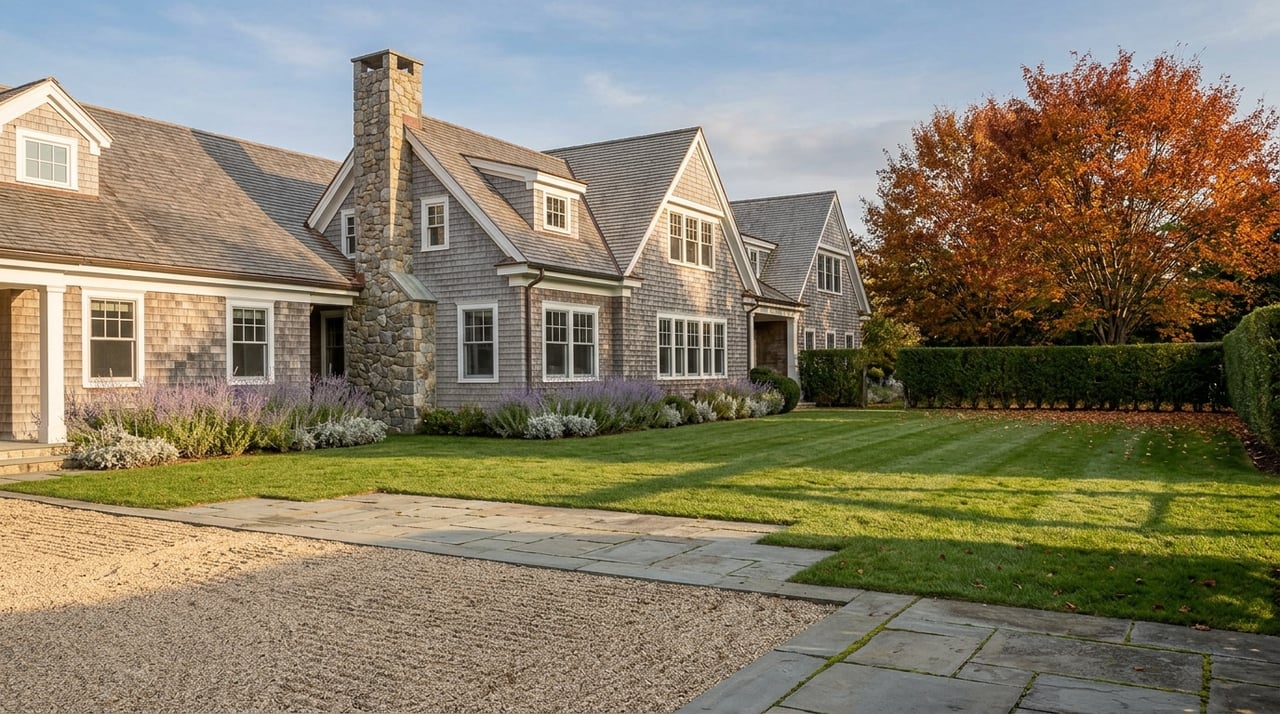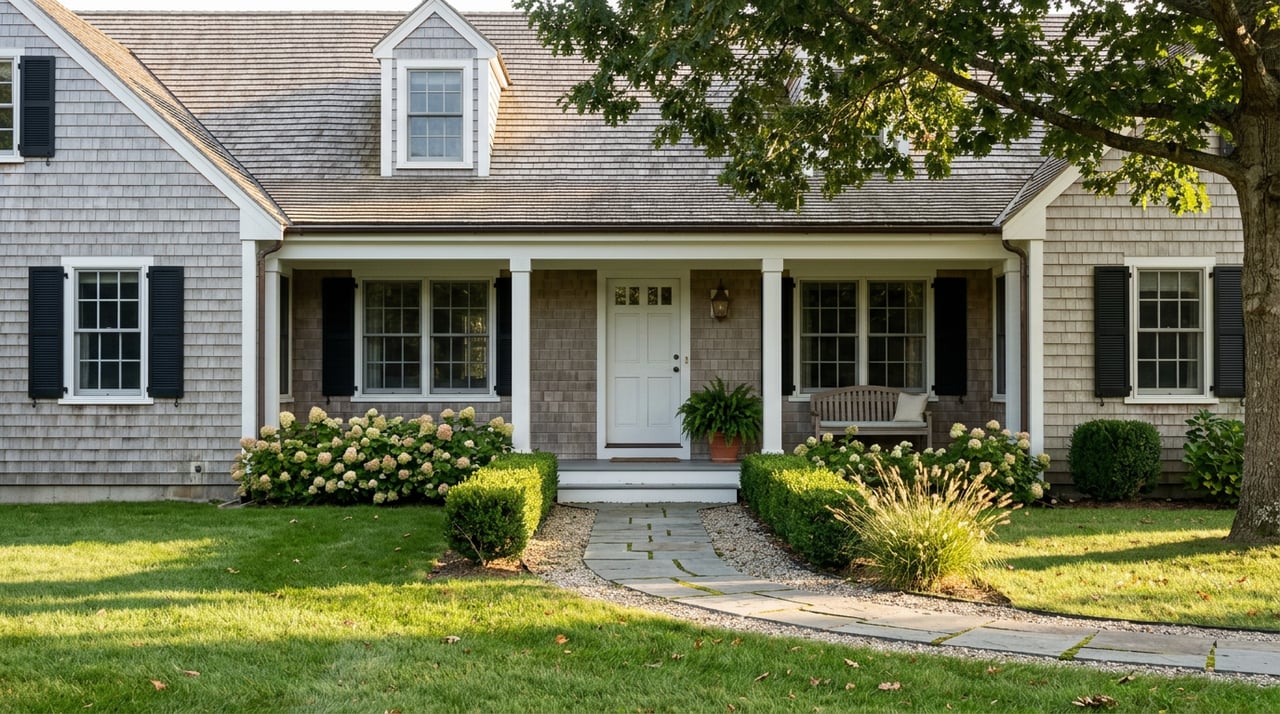
Two listings, both addressed "Southampton, NY." Both a short drive from Main Street. Both priced within a few hundred thousand dollars of each other. One sits inside the incorporated Village of Southampton. The other sits a few hundred yards outside it, in a hamlet with its own name, its own fire department, and its own tax rate that has nothing to do with the village at all.
Buyers scrolling listing portals rarely notice the difference until they're deep into a deal. That's a problem, because the difference is not cosmetic. It shows up every year on the tax bill, and it shapes which zoning rules apply to a renovation, which fire department responds to a call, and which local government a resident can actually vote for.
One Name, Two Governments
The Town of Southampton is the large municipal unit that stretches across the South Fork. Inside it sit several incorporated villages, Southampton Village among them, each with its own elected government, its own police or public works arrangements, and its own separate village property tax. Outside those village boundaries, the town breaks into a patchwork of unincorporated hamlets, places like North Sea, that have community identity and often a fire district named after them, but no separate village government or village tax roll.
That distinction is the reason "Southampton" as a search term is misleading. A house can carry a Southampton mailing address while falling entirely outside the Village of Southampton's jurisdiction and tax rolls. The Town of Southampton's own tax rate sheet even tracks this split directly, listing a separate total taxable valuation for properties outside incorporated villages as its own line item, distinct from the town's total taxable value.
The Fire District Is Doing the Work the Village Would Otherwise Do
Once a property sits outside a village, it doesn't skip a layer of government and pay less. It picks up a different layer instead. In place of the village tax, unincorporated hamlet properties pay into a fire district, and those rates vary more than most buyers expect.
Here's what the Town of Southampton's 2024-2025 tax rate sheet shows for a handful of fire districts across the town:
| Fire District | Rate per $1,000 of assessed value (2024-2025) |
|---|---|
| Southampton Fire District | $0.2193 |
| North Sea Fire District | $0.4347 |
| East Quogue Fire District | $0.7574 |
| Hampton Bays Fire District | $0.7779 |
The North Sea rate runs almost exactly double the Southampton Fire District rate. Hampton Bays and East Quogue run more than three times higher. None of these districts touch a village line. This is variation entirely within the "outside the village" category, driven by how each district is funded and how large its taxable base is relative to its costs. A buyer who assumes "not in the village" means "one flat, lower rate" is working from an incomplete model. The current 2025-2026 rate sheet is published by the town and updates these figures annually, so the exact numbers shift year to year, but the structural point holds: which fire district serves a specific hamlet address matters as much as whether that address sits inside a village at all.
On top of the fire district rate, every property in the town, village or not, pays the same general town charge and Suffolk County charges. For 2024-2025, those included a general town rate of $0.4058 per $1,000 and a Suffolk County general rate of $0.1679 per $1,000. Village residents add their own village tax on top of that base. Hamlet residents add their fire district rate instead. Neither group skips the town and county layer.
The Math Nobody Runs Correctly
It's tempting to take a home's market price, apply a combined mill rate, and produce an annual tax estimate on the spot. That shortcut usually produces the wrong number, because in New York, these rates apply to assessed value, not market value, and Suffolk County towns assess property on a fractional basis rather than at full market price. A $2 million home does not automatically translate into $2 million of taxable assessed value.
This is one of the more common surprises buyers run into during due diligence, and it's exactly the kind of detail an appraiser catches before an offer goes in rather than after closing. Before running your own tax math on a specific hamlet address, it's worth confirming the current assessed value and equalization rate with the assessor's office or a local appraiser rather than backing into a number from the listing price alone.
The Median Price You've Been Reading Is Also a Boundary Problem
The village-versus-hamlet split doesn't just affect tax bills. It's part of why "Southampton" median price figures swing so wildly depending on where you look. As of March 2026, Redfin reported a Southampton median sale price of $1.7 million. Four months later, in July 2026, Movoto listed the Southampton median list price at $3.16 million, nearly double. Zillow's home value index for the Southampton ZIP, updated May 31, 2026, put the average home value at roughly $2.2 million, a third figure that lands between the other two.
These aren't contradictory because someone made an error. They're measuring different footprints of the same name. Depending on how a platform draws its "Southampton" boundary, the dataset might weight toward waterfront estates inside the village, or toward a broader mix that includes lower-priced inland hamlet properties, or toward whatever happened to close or list in that particular month. A median price without a stated boundary is close to meaningless for a buyer trying to compare two specific streets. This is also, not coincidentally, exactly the reason listing agents will sometimes flag potential tax differences directly in their marketing copy and suggest a buyer ask an agent for specifics rather than trust a portal's blended number.
Walking Distance to the Village, Outside Its Government
North Sea is the clearest example of what this boundary actually looks like on the ground. It's an unincorporated hamlet of the Town of Southampton, distinct from the incorporated village a few miles south, and it's been described in local market coverage as an up-and-coming section of the broader Southampton market. Properties along North Sea Mecox Road illustrate the pattern well: some sit close enough to the village that they're marketed as a short walk from Main Street, while the address itself falls outside the incorporated village's government and tax structure entirely.
The Town of Southampton contains one incorporated village bearing its name, several other incorporated villages within its wider borders, and a much larger number of unincorporated hamlets scattered across the South Fork. For a buyer, that means "Southampton" inventory spans a genuinely wide range of governance, tax exposure, and zoning posture, all under one search term.
What This Means When You're Comparing Neighborhoods
For a buyer weighing Southampton against Water Mill, Bridgehampton, or Sag Harbor, the village line adds a variable that a simple price-per-square-foot comparison won't capture. Two hamlet properties in the Town of Southampton can carry meaningfully different annual carrying costs purely because of which fire district serves them, independent of school taxes, independent of lot size, independent of anything visible from the street.
This is where pairing brokerage insight with certified appraisal work earns its keep. A licensed appraiser looks at assessed value, equalization rate, and district boundaries as a matter of course, not as an afterthought once a buyer has already fallen for a house. Before you weigh a Southampton hamlet address against a village one, or against a comparable property in a neighboring hamlet, it's worth having someone pull the specific district rate and current assessment rather than relying on a portal's blended median.
A Few Questions Worth Asking Before You Tour
Does every hamlet in the Town of Southampton have its own fire district? Most do, and the district name often matches the hamlet name, but boundaries don't always line up neatly with commonly used neighborhood names. Confirming the specific district for a given parcel is a quick check worth making before you assume a rate.
If a home is outside the village, does that mean lower taxes overall? Not necessarily. It means a different tax structure, with a fire district rate substituting for the village tax. Depending on the district, that substitution can land higher or lower than a comparable village tax bill would have been.
Can I still use "Southampton Village" amenities if I buy in an unincorporated hamlet? Public roads, businesses, and many public spaces remain accessible regardless of address, but village-specific services and voting rights belong to properties within the incorporated village boundary itself.
If you're comparing a specific Southampton hamlet address against a village property, or against a home in a neighboring South Fork community, James R. McLauchlen Real Estate can pull the exact fire district, assessed value, and comparable sales for the parcel you're looking at rather than the blended average for the whole town. Request a Valuation & Consultation before you write an offer, not after.