If you are drawn to the Hamptons but want a place that feels grounded in more than summer buzz, Bridgehampton stands out. It offers a rare mix of village life, open farmland, ocean access, and high-end homes, all within a hamlet that still has a strong sense of place. Whether you are exploring a move, a second home, or a seasonal rental, understanding the local rhythm can help you decide if Bridgehampton fits the life you want. Let’s dive in.
What makes Bridgehampton distinct
Bridgehampton is a hamlet in the Town of Southampton, with roots tied to the historic Mecox and Sagaponack settlements. Its name comes from the bridge over Sagg Pond that once linked those areas, which says a lot about how closely the hamlet is tied to local geography and history.
Today, Bridgehampton feels different from a purely resort-driven destination. According to Census Bureau profile data cited in the town heritage materials, it has 2,953 residents, 2,315 housing units, 600 households, and 13.0 square miles of land. That wide gap between housing units and households helps explain why the area has such a noticeable seasonal and second-home presence.
Village core with real character
One of Bridgehampton’s biggest strengths is its compact historic center. The town heritage report describes the Main Street area as a half-mile stretch of Montauk Highway with a dense collection of historic resources, adaptive reuse, and active street life.
In practical terms, that creates a village feel that can be hard to find elsewhere. The historic core centers around the Triangular Commons and the crossroads of Montauk Highway, Ocean Road, and Sag Harbor Turnpike, giving the hamlet a true focal point instead of a spread-out commercial corridor.
That layout shapes the day-to-day experience. The Hamlet Center Plan highlights pedestrian circulation, parking, and the commercial core as major issues, which reflects how much activity is concentrated in a relatively compact area.
A lifestyle shaped by land and open space
Bridgehampton’s identity is closely tied to farmland and preserved land. The Town of Southampton heritage report points to historic buildings, open vistas, and farmland as central to the hamlet’s character, and that is still visible today.
You can see that agricultural influence in local destinations that help define the area. Channing Daughters Winery operates its Bridgehampton home farm with six separate vineyards, while Fairview Farm at Mecox grows produce, herbs, and flowers and also runs a seasonal corn maze. Round Swamp Farm also has a Bridgehampton market that adds to the local farm-stand culture.
This open-space character is not just visual. SOFO, located on Bridgehampton-Sag Harbor Turnpike, sits within the Long Pond Greenbelt beside more than 800 acres of preserved land and nine miles of trails stretching from the Sag Harbor area to the Atlantic. That means you are not just living near beautiful scenery. You are living within a landscape that remains active, accessible, and deeply tied to the South Fork’s identity.
Beach days are part of the routine
For many people, the Bridgehampton lifestyle also means easy access to the ocean. Mecox Beach, a Town of Southampton ocean beach in Bridgehampton, offers lifeguard protection, parking, showers, restrooms, and volleyball.
That combination makes it a practical beach destination, not just a scenic one. The town describes it as a popular spot for both residents and visitors, which speaks to its broad appeal across the season.
If you picture a Hamptons day that starts in the village, moves through farm country, and ends near the ocean, Bridgehampton supports that rhythm naturally. It is one of the reasons the hamlet feels both polished and relaxed.
Equestrian and arts culture add depth
Bridgehampton also has a cultural side that goes beyond beaches and real estate. Equestrian life is especially visible here because the Hampton Classic has been held at its Bridgehampton showgrounds on Snake Hollow Road since 1982. Organizers describe it as one of the largest outdoor horse shows in the United States.
That event is part of the hamlet’s public identity, but the arts are also part of the picture. Dia Bridgehampton, on Corwith Avenue, maintains Dan Flavin’s permanent fluorescent-light installation and presents annual exhibitions by artists primarily residing or working on Long Island.
For local history and community programming, the Bridgehampton Museum adds another layer. Founded in 1954, it offers exhibitions, tours, lectures, festivals, and special events that help connect present-day Bridgehampton to its past.
The housing stock feels varied and established
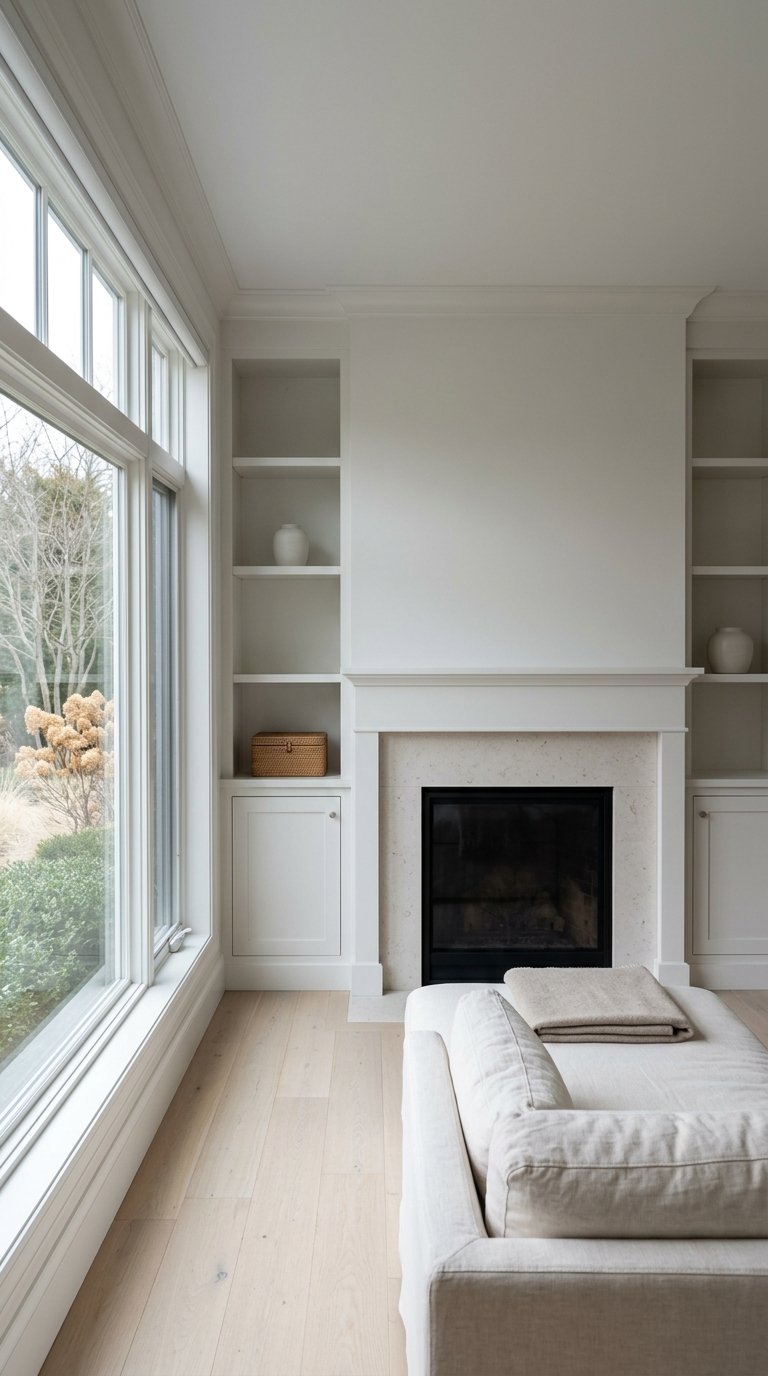
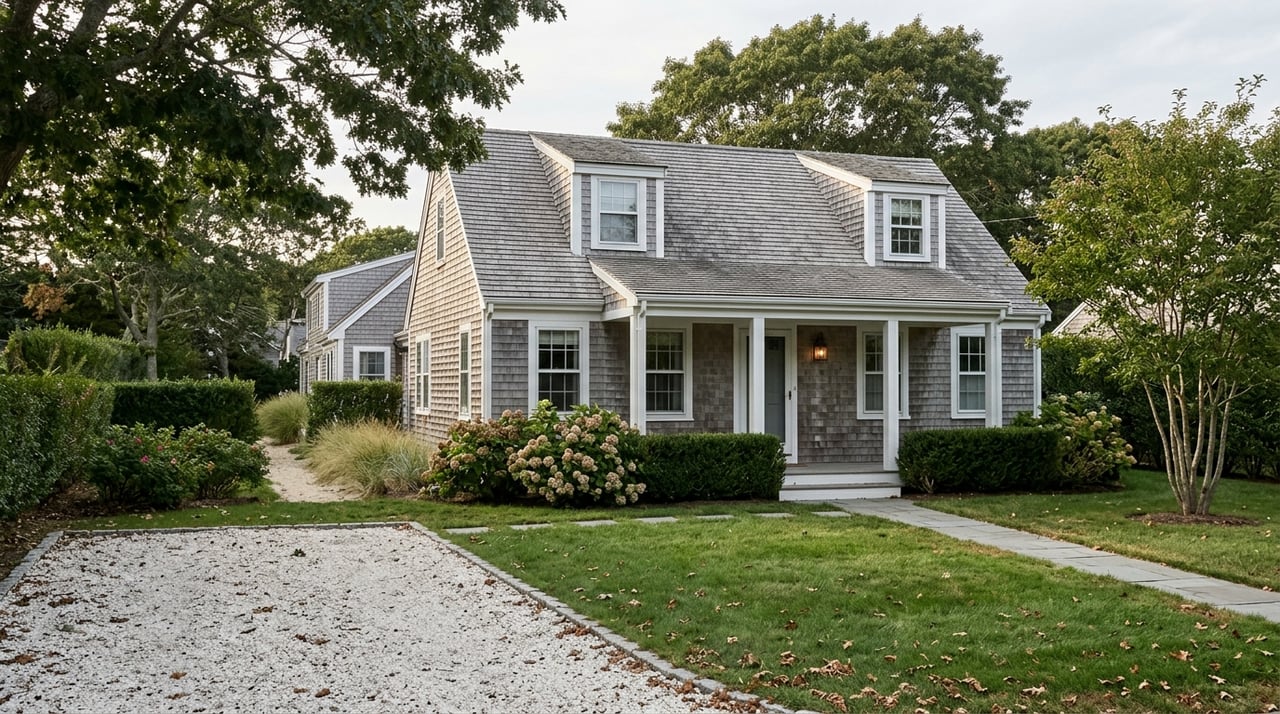
From a real estate perspective, Bridgehampton offers a broad architectural mix within a high-end market. The town heritage report notes styles including colonial saltbox, Federal, Greek Revival, Victorian farmhouses, Queen Anne, Gothic Revival, Italianate, Colonial Revival, Dutch Revival, foursquare, and bungalows.
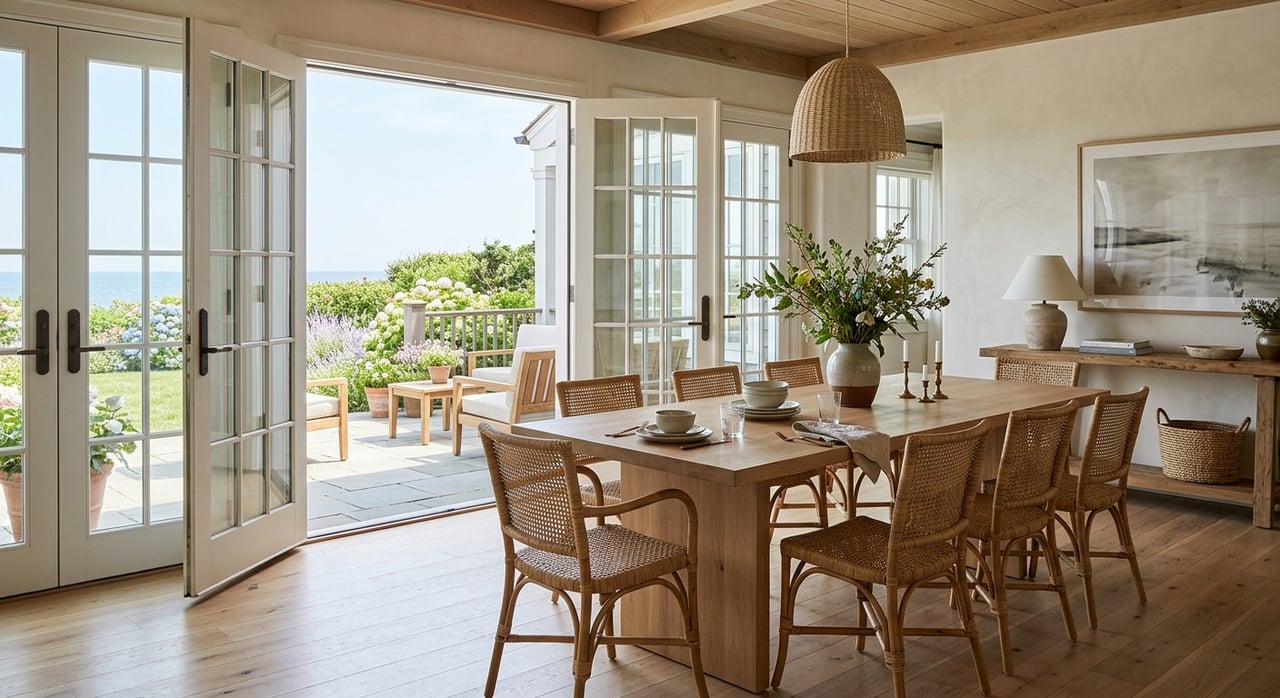
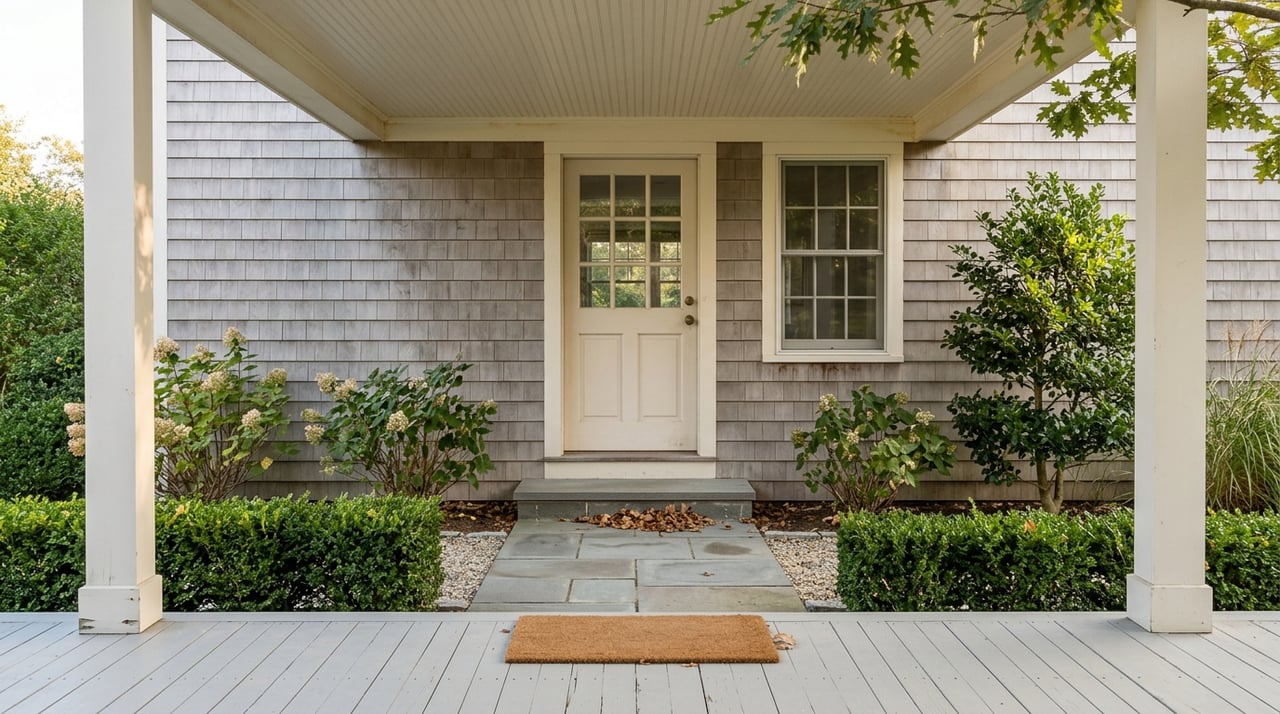
That historic range sits alongside estate-level new construction. Current examples in the market include oceanfront new construction on Dune Road, equestrian farm and estate compounds, modern barn-style homes, and classic shingle or cedar-shake houses.
This variety is part of what gives Bridgehampton its appeal. You are not looking at one single housing type or one uniform streetscape. Instead, you see a blend of older Hamptons architecture, preserved properties, and newly built homes designed for modern living.
What the current market says
Current market data in the research report shows 62 active listings and 240 rentals, with a median asking price of $7.95 million. Search patterns also center heavily on single-family homes, with interest in luxury, waterfront, land, and duplex or triplex options.
That supports what many buyers already sense when they begin their search. Bridgehampton is a detached-home market first, with strong demand from buyers and renters looking for space, privacy, and a distinctly Hamptons setting.
For seasonal clients, the rental inventory matters too. A healthy luxury rental presence can make Bridgehampton attractive if you want a summer base before making a purchase, or if you are considering how a property may fit into a broader ownership strategy.
How Bridgehampton fits the Hamptons
Bridgehampton is best understood as part of the same South Fork luxury corridor as Water Mill, Sag Harbor, Southampton Village, and Sagaponack. What sets it apart is its more compact historic core and its stronger farm-and-beach identity.
That difference matters when you are comparing lifestyles, not just addresses. Some nearby areas may feel more centered on a village experience, while others lean more heavily into estates, waterfront settings, or a quieter residential pattern. Bridgehampton tends to bring several of those elements together in one place.
The research report also notes that nearby home value comparisons place Bridgehampton roughly alongside Water Mill and below Sagaponack. For buyers trying to orient themselves within the Hamptons market, that can be a helpful shorthand.
Who Bridgehampton tends to appeal to
Bridgehampton often resonates with buyers who want more than one kind of lifestyle in a single location. You may be looking for beach access, a polished but not oversized commercial core, room for privacy, and a stronger connection to the land than you find in some other Hamptons destinations.
It can also appeal to second-home buyers and seasonal renters who want flexibility. The mix of ocean access, farm stands, cultural institutions, and estate-style homes gives the hamlet a full-season feel, even though seasonal demand remains a major part of the market.
For some buyers, Bridgehampton is about architecture and property scale. For others, it is about how naturally the village, beach, farmland, and cultural touchpoints all fit together.
Why local guidance matters here
Bridgehampton may look effortless from the outside, but it is a nuanced market. Property type, location within the hamlet, proximity to the village core, beach access, open-land context, and seasonal demand can all shape value and buyer interest.
That is where local knowledge becomes especially important. In a place with a long-established housing stock, estate properties, and a strong second-home market, a detailed understanding of neighborhood patterns and valuation can help you make more confident decisions.
If you are considering buying, selling, renting, or evaluating a Bridgehampton property, working with a team that understands both market positioning and valuation detail can make the process far more precise. For tailored guidance on Bridgehampton and the wider South Fork market, connect with Jennifer McLauchlen.
FAQs
What is Bridgehampton known for in the Hamptons?
- Bridgehampton is known for its compact historic village core, farmland and open vistas, Mecox Beach, equestrian presence tied to the Hampton Classic, arts institutions like Dia Bridgehampton, and a high-end detached-home market.
What kinds of homes are common in Bridgehampton?
- Bridgehampton includes historic architectural styles such as saltbox, Federal, Greek Revival, Victorian farmhouse, Queen Anne, and bungalow, along with newer estate construction, modern barn-style homes, and classic shingle or cedar-shake houses.
What is the Bridgehampton real estate market like?
- The research report cites 62 active listings and 240 rentals, with a median asking price of $7.95 million, reflecting a luxury market with strong interest in single-family homes, waterfront properties, land, and seasonal rentals.
What is the village area like in Bridgehampton?
- Bridgehampton’s village area centers on the Triangular Commons and the crossroads of Montauk Highway, Ocean Road, and Sag Harbor Turnpike, with a compact Main Street area known for historic resources, adaptive reuse, and active street life.
What outdoor amenities are available in Bridgehampton?
- Outdoor highlights include Mecox Beach with lifeguards, parking, showers, restrooms, and volleyball, plus preserved open space near SOFO and the Long Pond Greenbelt, which includes more than 800 acres of preserved land and nine miles of trails.