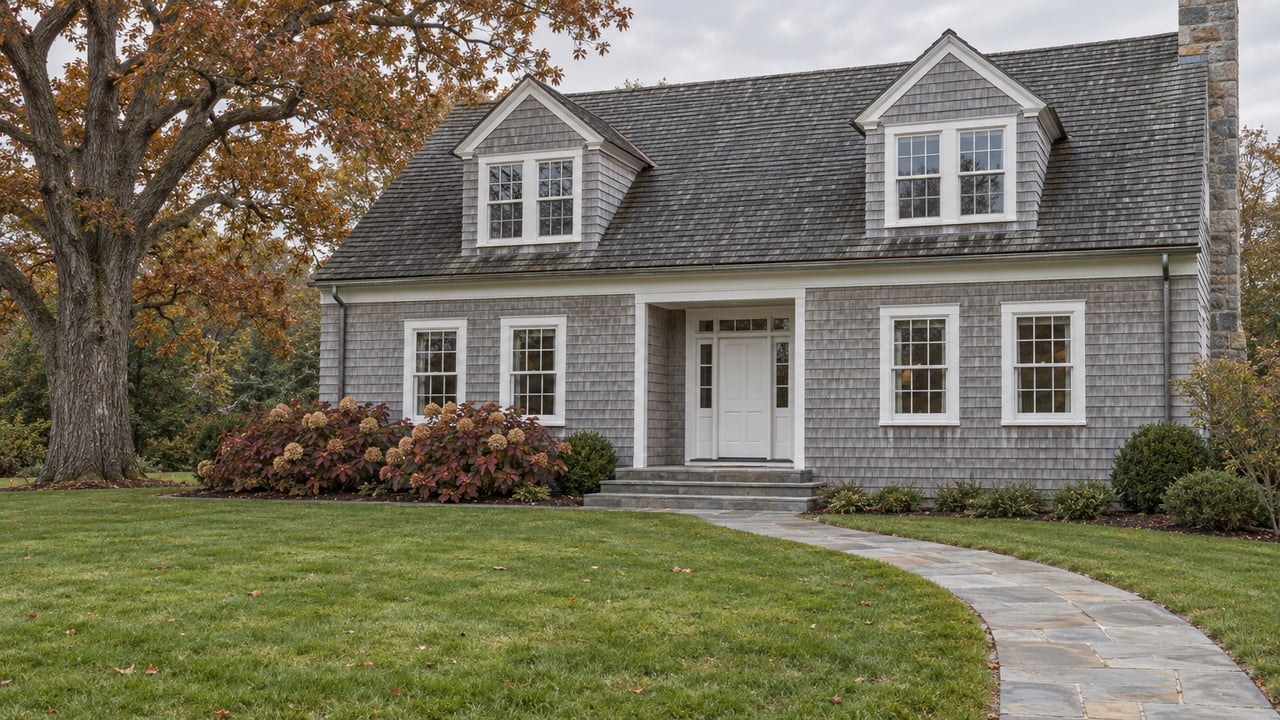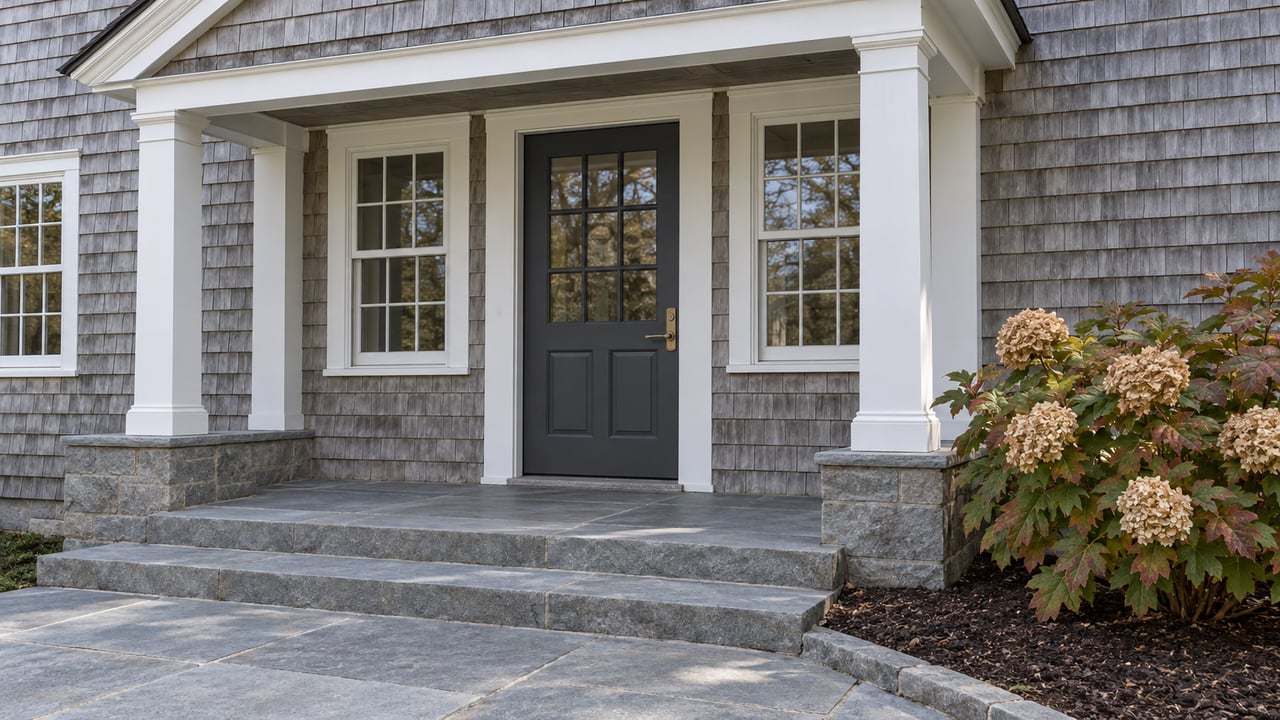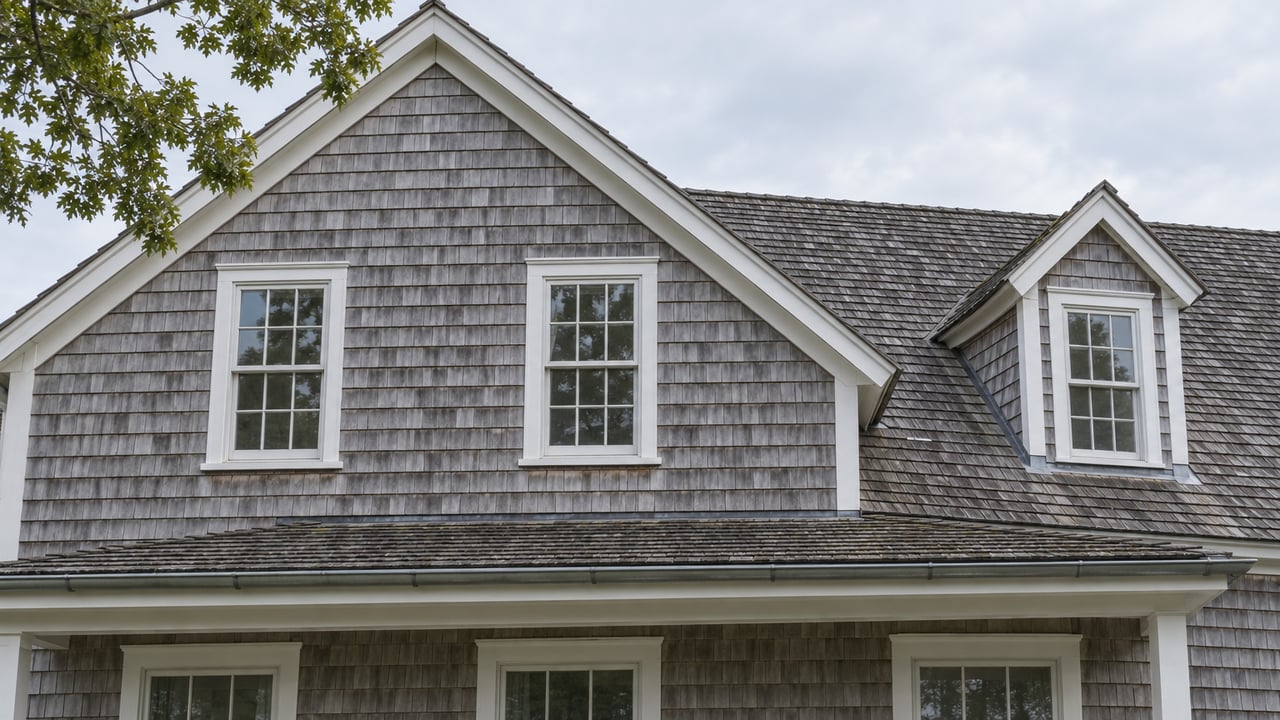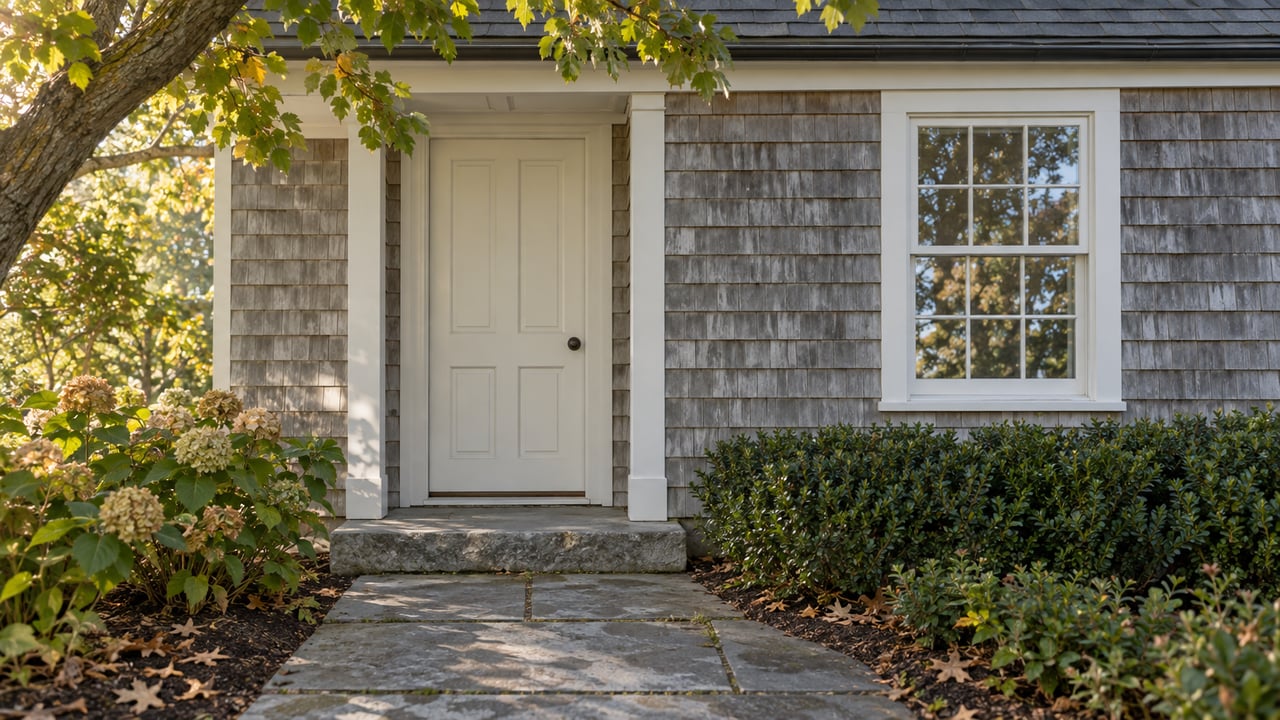
If you are thinking about buying in Southampton Village, price alone will not tell you enough. Two homes with similar square footage can have very different values once you factor in beach access, lot size, historic status, and what the site actually allows you to build or change. Understanding those details up front can help you set a smarter budget and avoid surprises later. Let’s dive in.
Why Southampton Village Commands Premium Pricing
Southampton Village sits in a rare part of the Hamptons market. It is an incorporated village within the Town of Southampton, with a long history that dates back to 1640 and a resort identity that grew after the Long Island Rail Road extension in 1872.
Today, the village remains a major seasonal destination. Official village history notes that summer population exceeds 35,000, and village materials highlight about seven miles of oceanfront, eleven beaches, parks, and civic attractions that shape the appeal of the area.
Current pricing reflects that demand. As of April 30, 2026, Zillow shows an average Southampton Village home value of $4,141,413, a median list price of $3,435,833, 36 homes for sale, and 6 new listings. For you as a buyer, that points to a high-cost, limited-inventory market where location and property characteristics matter a great deal.
Main Housing Types in Southampton Village
Southampton Village is not a one-note housing market. You will usually encounter a mix of older historic homes, classic summer houses, and more updated or newer properties.
Historic cottages and early houses
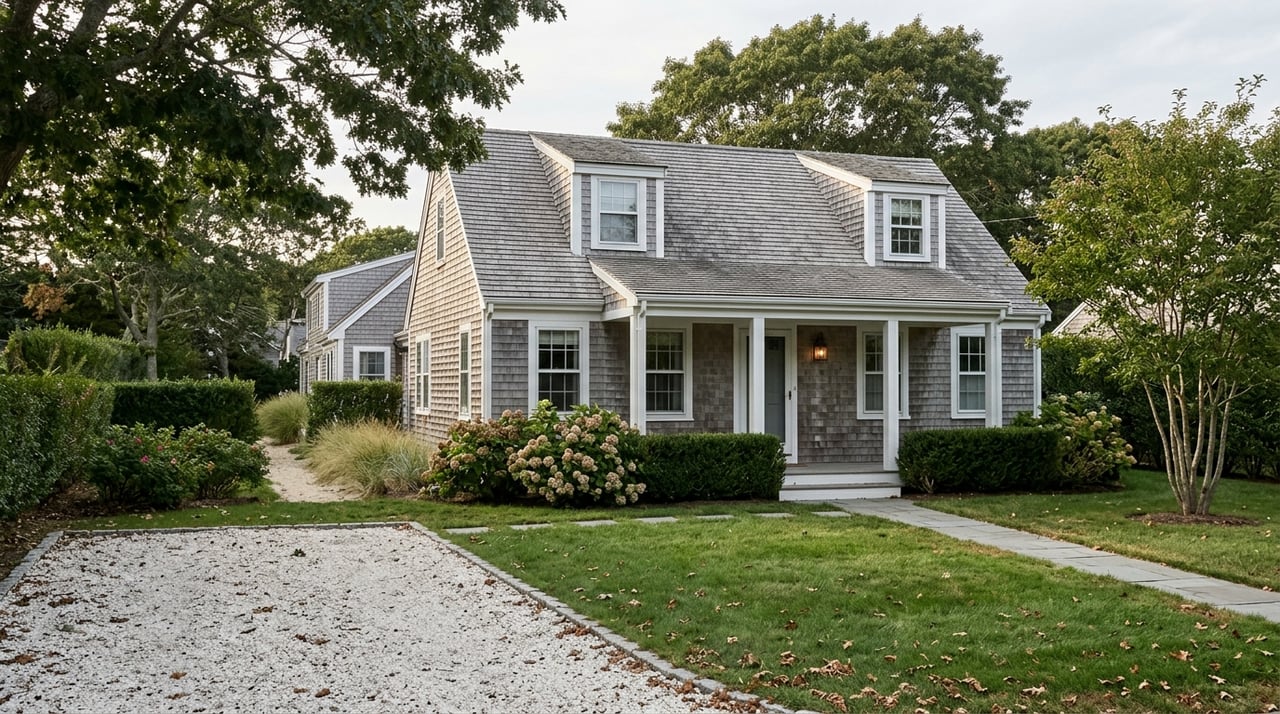
Some of the village's earliest homes reflect simple early plans described in National Register materials, including three-bay side-entrance and five-bay center-entrance layouts. In practical terms, these homes often offer character, age, and authenticity, but they may also have smaller rooms and less flexible layouts than newer houses.
If you are drawn to original details and a strong sense of place, these homes can be compelling options. Their value often comes from a combination of architecture, village setting, and the limited supply of truly early housing stock.
Victorian, Shingle, and Colonial Revival homes
Southampton Village is especially well known for late 19th and early 20th century summer houses. National Register materials identify Queen Anne, Shingle, and Colonial Revival styles as part of the village's architectural legacy, especially near Lake Agawam and the Atlantic beachfront.
This housing category often forms the visual and historic core of Southampton Village. Buyers are often paying not just for the house itself, but also for a recognized architectural style, a notable location, and the prestige attached to historic village fabric.
Modernist, renovated, and newer homes
Not every property in Southampton Village is antique. Village Building Department materials reference a 2024 Southampton Modernist Homes Report, which shows that the local housing stock also includes modernist homes, renovations, and newer construction.
That said, newer does not always mean unlimited freedom. Even recently built or updated homes still need to fit within village rules on lot size, height, and, where applicable, preservation review.
What Really Drives Home Prices
In Southampton Village, bedroom count is only part of the story. Several local factors can explain why one property trades well above another.
Coastal access and beach proximity
Ocean access is one of the clearest value drivers in the village. Official village materials highlight the importance of oceanfront amenities and beaches, including resident-only Dune Beach, which reinforces the premium attached to coastal location.
Village code also treats tidal wetlands and ocean beaches as scarce resources. The Tidal Wetlands and Ocean Beach Overlay District includes added setback rules, such as a 100-foot shoreward setback from the crest of the first rank of ocean dunes and a 25-foot upland setback from the edge of tidal wetlands on other waterfront frontages.
For you as a buyer, that means beach-adjacent property is not just desirable. It is also harder to replicate, expand, or replace in the same way, which helps explain why ocean-close homes often command more than inland homes with similar interiors.
Lot size and building potential
Lot size matters in Southampton Village for more than privacy. Village zoning ties setbacks and coverage to lot area, and the maximum gross floor area of a dwelling is generally 10% of lot area plus 1,500 square feet, less certain accessory-garage area, with an aggregate cap of 18,000 square feet.
That creates a major pricing difference between properties that may look similar at first glance. A larger parcel can offer not just more outdoor space, but also a larger buildable envelope and greater long-term flexibility.
Historic district status
Historic designation can support value, but it also changes the buying equation. Southampton's preservation code requires a certificate of appropriateness before exterior alteration, restoration, construction, reconstruction, demolition, or material change within a historic district.
The village's homeowner guide also states that new construction must be compatible with the district. If you buy a property in one of the village's historic districts, you may be getting strong architectural context and enduring appeal, but you should also expect a more selective review process for visible changes.
Walkability and village-core convenience
Southampton Village pricing is also influenced by access to the village center. Local design guidelines encourage a more compact pattern and support walking and bicycling, while the MTA identifies Southampton station as an accessible Long Island Rail Road stop with transit connections.
For many buyers, the ability to reach Main Street, the station, civic amenities, and beaches with relative ease adds meaningful lifestyle value. Homes that combine village-core convenience with coastal access often sit in an especially competitive position.
How to Set a Realistic Budget
A Southampton Village purchase is usually a multimillion-dollar decision. With a median list price above $3.4 million and only 36 active listings reported as of late April 2026, it helps to approach your search with a clear budget and a strong understanding of your priorities.
The broader Hamptons market provides useful context, but not a perfect comparison. In Q4 2025, the Hamptons median sales price was $2,337,500, while Southampton's market area was $2,650,000, Sag Harbor was $3,175,000, and Sagaponack was $9,500,000. Those figures are best used as market context rather than direct one-to-one comparisons with village-level listings.
If you are deciding how far your budget can stretch in Southampton Village, focus on the variables that often explain the biggest price swings:
- Whether the home is inside a historic district
- How close it is to the ocean or a resident-only beach
- Total lot area
- The amount of gross floor area the site can support
- Proximity to Main Street, the station, and village amenities
- Current condition and renovation needs
Why Similar Homes Can Price Very Differently
One of the most important things to understand about Southampton Village is that square footage alone can be misleading. Two houses with comparable interior size may sit on very different lots, fall under different zoning constraints, or offer very different access to the beach and village center.
That is why a careful valuation review is especially useful here. In a market where beach proximity, district status, and expansion potential all shape value, broad averages can only take you so far.
For buyers who want to make a well-informed decision, it helps to look at each property through both a brokerage and valuation lens. That means understanding not just what a house looks like today, but what the site, rules, and setting mean for long-term value.
A Smarter Way to Compare Southampton Village Homes
When you tour homes in Southampton Village, it helps to compare them using the same framework every time. That keeps you focused on the factors that matter most in this specific market.
A practical review checklist includes:
- Location: How close is the home to the ocean, beaches, Main Street, and the rail station?
- Lot: How large is the parcel, and how much privacy or future flexibility does it offer?
- Zoning: What setbacks, coverage limits, or overlay rules affect the property?
- Historic review: Is the home in a historic district, and what changes may require approval?
- Condition: Is the house turnkey, renovated, or likely to need a more involved project?
- Value context: How does the asking price reflect location, lot size, and constraints, not just bedroom count?
Using that kind of framework can help you avoid overpaying for features that are easy to see while missing the factors that most affect long-term use and value.
If you want local guidance that pairs market knowledge with valuation precision, Jennifer McLauchlen can help you evaluate Southampton Village homes with the detail this market demands.
FAQs
What types of homes can you buy in Southampton Village?
- You will typically find early historic cottages, late Victorian and Shingle-style summer houses, Colonial Revival homes, modernist properties, renovated residences, and newer construction that fits village rules.
Why are Southampton Village home prices so high?
- Prices are driven by limited inventory, strong demand, coastal access, beach proximity, lot size, buildable potential, historic-district status, and access to the village center and rail station.
How does lot size affect a Southampton Village purchase?
- Lot size can affect setbacks, coverage, privacy, and the maximum gross floor area a dwelling can support under village rules, so it often influences value beyond simple land area.
What should you know about historic districts in Southampton Village?
- If a home is in a historic district, many exterior changes may require a certificate of appropriateness, and new work must be compatible with the district under village preservation rules.
Does beach proximity change home value in Southampton Village?
- Yes. Homes near the ocean and beach areas often command a premium because coastal access is highly desirable and local overlay rules make many waterfront locations hard to replicate.
How should you compare homes in Southampton Village?
- Look beyond bedroom count and compare beach access, lot area, zoning constraints, historic status, location near Main Street and the station, condition, and long-term expansion potential.