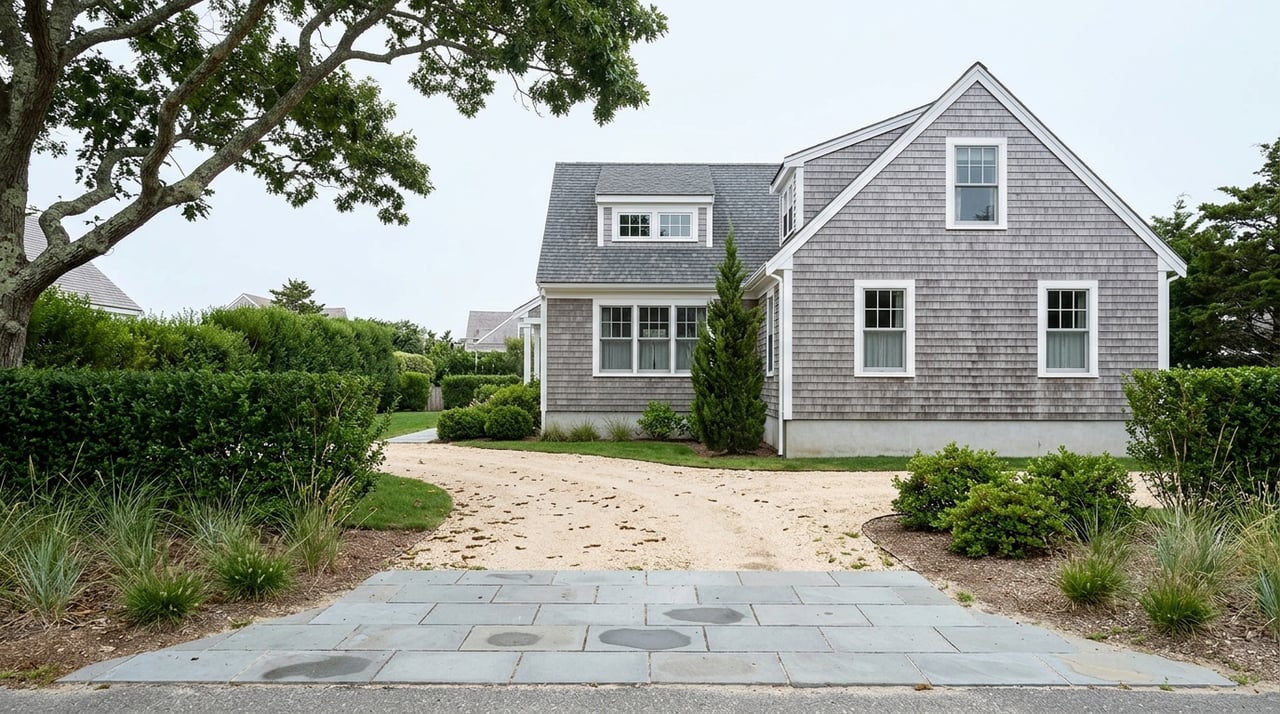
If you are trying to understand East Quogue, one street name is rarely enough. This hamlet shifts noticeably from bay-oriented lanes to barrier-beach stretches to a small but active Main Street core, and those differences can shape how a property feels and functions. If you want a clearer picture of what each pocket offers, this guide will walk you through the local layout, housing patterns, and everyday distinctions that matter. Let’s dive in.
East Quogue At A Glance
East Quogue is an unincorporated hamlet in the Town of Southampton in Suffolk County, bordered by Flanders, Hampton Bays, Quogue, Westhampton, and Shinnecock Bay. Part of the hamlet also extends onto the barrier island south of the bay, which is one reason the area has such a wide range of settings.
Town planning materials describe East Quogue as low-density and car-oriented, with Montauk Highway and Old Country Road forming the key crossroads. Commercial activity clusters along Montauk Highway, while many residential streets are narrow, winding, and less grid-like than you might find in more traditionally laid-out village centers.
That broader pattern also helps explain why East Quogue feels spacious in many areas. A significant portion of the hamlet lies within the Central Pine Barrens Core Preservation Area, and the Town of Southampton housing profile shows a market dominated by detached homes, with 92.2% single-family housing units and 47.0% of homes offering four or more bedrooms.
Why East Quogue Feels So Varied
One of the most important things to know about East Quogue is that it is not a one-note housing market. The hamlet includes year-round residential areas, vacation-oriented properties, marina-adjacent streets, and barrier-beach homes, all within one community.
The Town housing profile also points to a notable seasonal component in the housing stock. For you as a buyer or seller, that means location within the hamlet can influence not just lifestyle, but also how a home is positioned in the market.
Bay Avenue And Pine Neck
Bay Access Shapes This Pocket
If you are drawn to boating, marinas, or easy bay access, the streets south of Montauk Highway are worth a close look. Historically, these roads developed toward Shinnecock Bay and supported boarding houses, fishing activity, and small marine uses.
Bay Avenue stands out in that history. The Town heritage report notes that it was the first street extended south from Montauk Highway, and the public dock at the end of Bay Avenue has long been used for access to the bay.
Today, that water-oriented identity is still easy to see. Bay Avenue Marina at 33 Bay Avenue offers floating dock slips, kayak racks, limited water and electric service, and a pavilion, while Pine Neck Marina at 22 Josiah Fosters Path sits on a 77-acre bayfront preserve with trails, a viewpoint over Shinnecock Bay, and 14 floating dock slips.
Housing Mix Along The Bay
This is not a pocket defined by one housing style. Instead, Bay Avenue and nearby streets show a blend of older in-town homes, newer construction, and water-access properties.
The heritage report documents earlier homes here in Queen Anne, Shingle Style, and Four Square forms, often with wraparound porches and other early 20th-century details. More recent listings show that newer homes are part of the mix as well, which gives the area a layered, evolving feel rather than a uniform subdivision look.
What Buyers Often Notice Here
In practical terms, this pocket can appeal to you if bay access matters more than direct ocean frontage. It also tends to offer a distinctive combination of historic character, marine activity, and a location that still connects back to the hamlet center.
If you are comparing neighborhoods within East Quogue, this is one of the clearest examples of a lifestyle-driven micro-market. The setting around docks, marinas, and bayfront open space gives it a different rhythm from inland streets.
Dune Road And The Barrier Beach
East Quogue’s Most Coastal Setting
Dune Road is East Quogue’s most specialized neighborhood pocket. Located on the barrier-beach side south of Shinnecock Bay, it delivers the strongest ocean-oriented setting in the hamlet.
According to the heritage report, Dune Road was not part of the older inland street pattern. Over time, small cottages were built there for hunters, fishermen, and boarding-house guests, which helps explain why the area still carries a more seasonal and distinctly coastal identity.
Beach Access And Public Recreation
This part of East Quogue is closely tied to public shoreline access. Hot Dog Beach, also known as Triton Beach, at 35 Dune Road includes boardwalks and an ADA ramp for ocean access.
Shinnecock East County Park, along the eastern side near Shinnecock Inlet, adds another layer of recreation with both ocean and bay access, camping, and outer-beach access. If your priorities center on shoreline proximity, this pocket stands apart.
Housing Range On Dune Road
Dune Road is not one product type. Recent listings show a wide spread, from a roughly 1,200-square-foot cottage on 0.87 acre to a much larger 4,362-square-foot home with six bedrooms and ten baths on 1.54 acres.
That range tells you something important about this stretch. You may find older cottages, renovated beach houses, and larger waterfront compounds, all linked by the same barrier-island geography rather than by a single architectural formula.
Main Street And The Hamlet Core
Montauk Highway As The Center
In East Quogue, Montauk Highway functions as Main Street. Town materials show that commercial uses cluster here, with many businesses focused on dining and everyday services.
This core is more than roadway frontage. The Town of Southampton established the East Quogue Park District in 2025 to support Main Street tree replacement, Village Green improvements, seasonal lighting, and maintenance at the Post Office garden and Bay Street Marina, signaling continued investment in the civic center.
The Village Green Adds A Civic Anchor
The East Quogue Village Green at 630 Montauk Highway gives the hamlet a visible public gathering space. It includes a playground, gazebo, walking track, benches, pavilion, and restrooms.
That matters when you are evaluating the feel of the area near the center. Even in a car-oriented hamlet, these kinds of public amenities help define a more recognizable core and support daily convenience.
Housing Near The Core
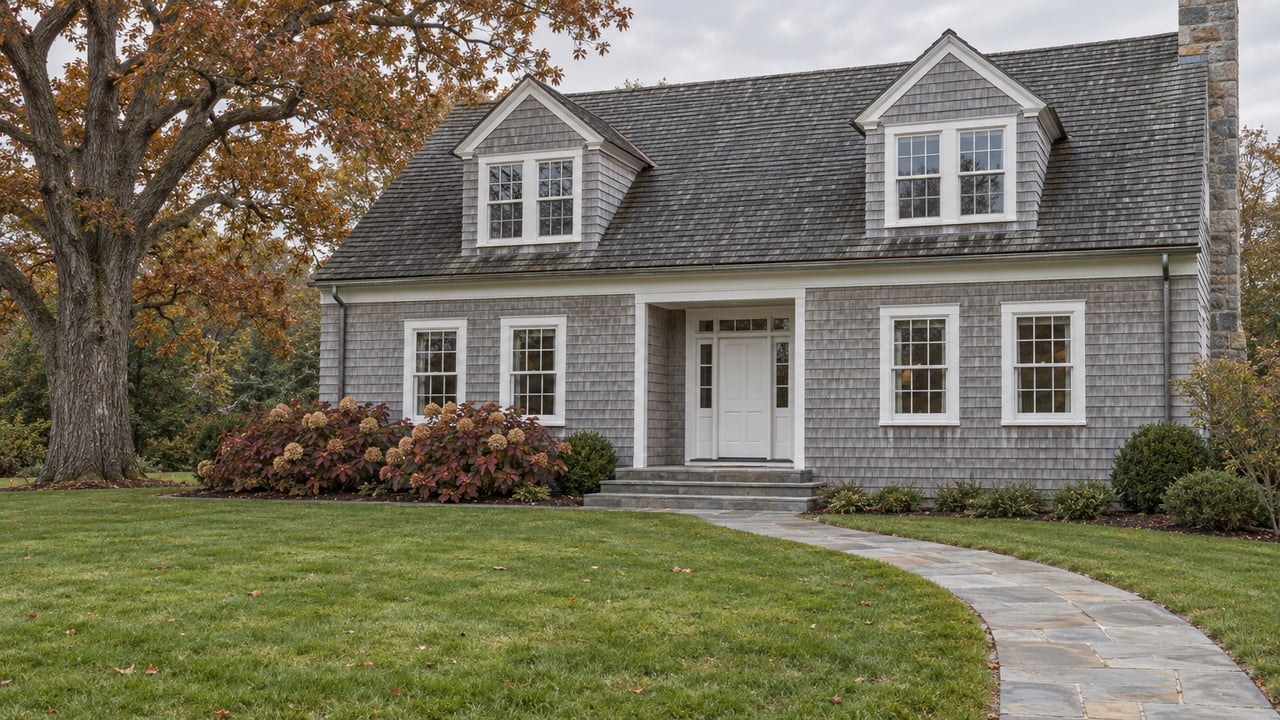
The inland residential streets branching from Main Street tend to show some of the widest variation in house type and lot size. The heritage report identifies ranches, capes, bungalows, Craftsman houses, vernacular farmhouses, and converted barns along roads such as Central Avenue and Lewis Road.
Recent listings reflect that same diversity. Examples include a 1960 ranch on Central Avenue, a 1991 bungalow on Lewis Road, and an 1884 two-story home on Montauk Highway, all of which point to a mixed and less standardized housing stock.
Inland Streets Beyond Main Street
More Space, Less Water Orientation
If you move away from the bay and barrier beach, East Quogue often shifts toward a more tree-lined residential setting. Streets such as Central Avenue, Lewis Road, and parts of Montauk Highway generally trade water access for more interior residential character.
This can mean older vernacular homes, varied lot sizes, and a quieter visual rhythm. The heritage report also notes that some north-side parcels remained agricultural, so lot sizes can increase fairly quickly as you move farther from the hamlet center.
Why This Matters For Your Search
For buyers, these inland pockets can feel more about residential space and everyday privacy than about a direct waterfront lifestyle. For sellers, the exact pocket matters because a home near Main Street, near bay access, or on the barrier beach may speak to very different audiences.
In East Quogue, small location changes can have an outsized effect on how a property is understood. That is where neighborhood-level knowledge becomes especially important.
Comparing East Quogue’s Neighborhood Pockets
Here is a simple way to think about the hamlet’s main subareas:
| Setting | Common Housing Pattern | Standout Features | |
|---|---|---|---|
| Bay Avenue and Pine Neck | Bay-oriented south of Montauk Highway | Historic homes, newer construction, water-access properties | Public dock, marinas, bayfront preserve |
| Dune Road | Barrier beach south of Shinnecock Bay | Cottages, updated beach houses, larger waterfront homes | Ocean access, coastal setting, county park |
| Main Street core | Along Montauk Highway | Mixed older homes and compact in-town lots | Village Green, businesses, civic improvements |
| Inland residential streets | Branching from the core | Ranches, capes, bungalows, farmhouses, varied lot sizes | Tree-lined feel, more residential space |
How To Narrow Your Focus
When you are deciding where in East Quogue to concentrate your search, it helps to start with setting before style. Ask yourself whether you want bay access, barrier-beach proximity, walkable convenience to the hamlet core, or a quieter inland location with more residential space.
From there, look at how each pocket aligns with your goals. In a hamlet with a strong seasonal component and a broad range of home types, the right fit often comes down to matching your priorities with the area’s specific geography and built form.
East Quogue rewards a block-by-block understanding. If you want help sorting through neighborhood differences, pricing nuance, or the valuation factors that can shape a purchase or sale in this part of Southampton, Jennifer McLauchlen can help you move forward with clear local insight.
FAQs
What is the difference between Dune Road and Bay Avenue in East Quogue?
- Dune Road is the barrier-beach pocket with direct ocean-oriented access and a more coastal, seasonal feel, while Bay Avenue is more closely tied to Shinnecock Bay, marinas, and bay-access living.
What types of homes are found in East Quogue’s inland neighborhoods?
- Inland streets such as Central Avenue and Lewis Road include ranches, capes, bungalows, Craftsman homes, vernacular farmhouses, and other older detached home styles on varied lot sizes.
What is the Main Street area like in East Quogue?
- Montauk Highway serves as East Quogue’s Main Street, with clustered businesses, the Village Green, and recent Town-backed improvements that support the hamlet’s civic core.
Is East Quogue mostly single-family housing?
- Yes. The Town of Southampton housing profile reports that 92.2% of East Quogue housing units are single-family homes.
Does East Quogue have a seasonal housing market component?
- Yes. Town housing materials note a notable seasonal component, which means East Quogue functions as both a year-round residential area and a vacation-home market.