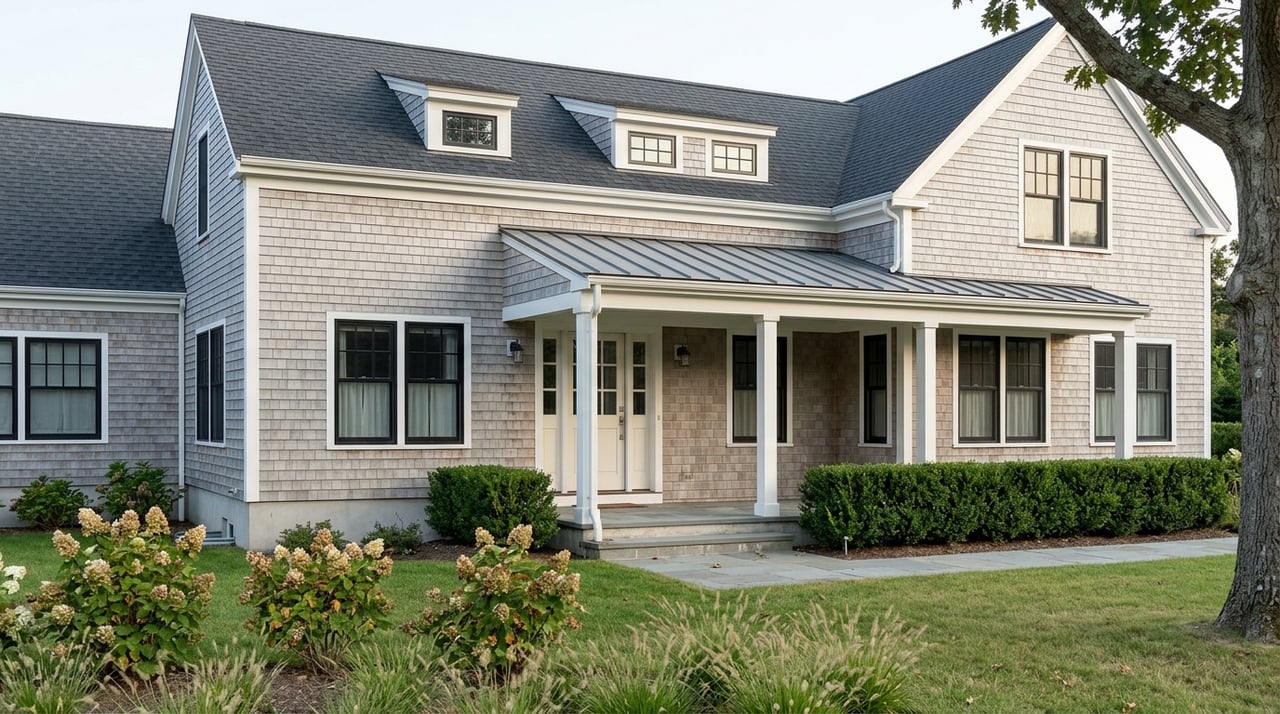
Wondering what kinds of homes you’ll actually find in Sagaponack? It is easy to think of this small Hamptons village as one luxury market, but the reality is more nuanced. If you are buying, selling, or simply trying to understand value in 11962, it helps to know how property type, land use, and location can shape both lifestyle and pricing. Let’s take a closer look.
Sagaponack Is Not One Single Market
Sagaponack is a 4.56-square-mile incorporated village on the east end of Southampton Town, between Bridgehampton and Wainscott. Its layout includes the Atlantic Ocean to the south, inland ponds and lakes, and an interior road network centered around Sagg Main Street, Sagaponack Main Street, and Montauk Highway.
What matters most is that Sagaponack is shaped by land-use rules built around large-lot residential districts and conservation overlays, not a traditional village grid. The village code includes R-40, R-80, and R-120 residence districts, along with open space conservation, tidal wetlands, ocean beach, floodplain, and agricultural overlays.
That structure creates several distinct property types instead of one broad category. In practice, Sagaponack behaves like a collection of smaller submarkets, each with its own value drivers and constraints.
Historic Farmhouses and Village Houses
One of the most recognizable Sagaponack property types is the historic farmhouse or older village house. These homes are tied closely to the village’s historic character and setting, especially within the official historic district.
Sagaponack maintains a historic district, a separate inventory of historic structures outside that district, and an Architectural and Historic Review Board. For buyers and sellers, that means exterior character, siting, and review considerations can matter alongside square footage or finish level.
If you are considering this category, it is wise to think beyond the house itself. A historic property may offer architectural presence and a strong sense of place, but updates or exterior changes may involve a different review path than a newer home.
What Often Matters Most
- Historic district location
- Exterior character and preservation context
- Lot setting and relationship to surrounding streetscape
- Review considerations for visible changes
Modern Farm-Style Homes on Large Lots
Another defining Sagaponack property type is the modern farm-style home on acreage. This product fits naturally with the village’s zoning framework, which permits single-family detached dwellings in R-40, R-80, and R-120 districts.
The dimensional rules set minimum lot sizes of 40,000, 80,000, and 120,000 square feet, with wider lot and yard requirements as parcel size increases. The result is a landscape where newer homes often sit on substantial lots with a strong sense of separation and privacy.
This is a major reason Sagaponack feels different from more tightly arranged residential areas. The appeal is often not just the house design, but the combination of usable land, setbacks, and room for a more private setting.
Why This Property Type Stands Out
- Large-lot zoning supports lower-density residential patterns
- Single-family homes are allowed across the main residence districts
- Agriculture and certain related uses are also permitted under stated conditions
- Privacy can be shaped by lot width, yard depth, and nearby open land
Oceanfront and Beach-Adjacent Estates
Oceanfront and near-ocean homes sit in their own category in Sagaponack. They are often the most visually striking properties, but they are also the most physically and legally constrained.
Under the Ocean Beach Overlay District, new or replaced buildings must meet setback requirements from dune crests. Structures are prohibited on the public ocean beach, dune disturbance is limited, and only a narrow access walkway is allowed.
Tidal wetlands rules add another layer. Buildings are prohibited on tidal wetlands, and bulkheads are generally prohibited. That helps explain why direct ocean frontage, protected view corridors, and legal siting conditions can have a major effect on value.
Why Oceanfront Value Works Differently
A large inland lot and an oceanfront parcel are not interchangeable, even if both are substantial in size. Oceanfront pricing often reflects a mix of frontage, views, setback limitations, and the practical realities of what can be built, rebuilt, or altered.
For that reason, beach-adjacent and oceanfront homes usually need especially careful comparison to similar properties. Headline price alone rarely tells the full story.
Homes Near Village Roads and Conveniences
There is also a smaller group of homes closer to Sagg Main Street, Sagaponack Main Street, and Montauk Highway. These properties are not a separate code-defined category, but they can function like a distinct submarket.
Their appeal often comes from convenience, access, and a more central village feel. For some buyers, that may matter more than maximum acreage or direct water frontage.
This is a helpful reminder that value is not always tied to one feature. In Sagaponack, convenience, privacy, open views, and regulatory context can each matter in different ways depending on the property.
What Really Drives Value in Sagaponack
In a market like this, property type is only the starting point. What often matters more is how the land can actually be used and what constraints come with it.
Usable Land Matters More Than Raw Lot Size
A large number on paper does not always mean the same thing from one parcel to another. Minimum lot area, yard setbacks, lot coverage rules, and septic feasibility all affect what can be built and how a property may function.
That is why two lots with similar acreage can perform very differently in the market. Buyers often respond to usable area, privacy, and layout potential, not just total square footage of land.
Views and Frontage Carry Different Premiums
Sagaponack has multiple view types, and they do not behave the same way in valuation. Ocean views, pond or lake settings, and rural views across preserved land or farmland can each influence demand differently.
A parcel near the ocean may face dune and overlay constraints, while an inland property may benefit from open views tied to surrounding land preservation. The premium depends on the type of view and how durable that setting is.
Privacy Can Be a Major Asset
In Sagaponack, privacy is often created by more than hedges and setbacks. Large lots, agricultural easements, preserved open space, and conservation overlays can all contribute to a sense of separation.
That kind of buffer can be functionally more valuable than added interior space. For many buyers, the feel of the land is part of the property’s core appeal.
Legal and Entitlement Risk Affect Marketability
Some of the most important differences between properties are not visible from the road. Historic review, wetland rules, floodplain overlay issues, and agricultural easement terms can all affect future plans and marketability.
The village also identifies existing agricultural planned development districts and notes that agricultural easements are intended to keep land in agricultural production for at least 10 years. In other words, the legal framework around a property may shape both present use and future flexibility.
Why Accurate Comparison Matters
Sagaponack is a market where broad averages can be misleading. Recent reporting from Miller Samuel showed a Sagaponack median sales price of $5.8 million in Q3 2025, based on just five closed sales and 19 listings.
That small sample size is important. When only a handful of properties trade, and those properties span historic homes, modern estates, oceanfront parcels, and convenience-oriented village locations, median price figures can only tell you so much.
In the broader Hamptons market, the median sales price reached a record $2,412,500 in 1Q 2026, while inventory remained below typical pre-pandemic levels and the share of sales above $5 million hit a record high. Even so, Sagaponack still requires highly specific analysis because each property type behaves differently.
What Buyers and Sellers Should Focus On
If you are buying in Sagaponack, try to evaluate the property as both a home and a land-use asset. The design may draw you in first, but zoning, overlays, setbacks, views, and review conditions often shape long-term value.
If you are selling, clear positioning matters. A historic farmhouse, a modern estate on acreage, and an oceanfront property should not be marketed or valued the same way simply because they share the same village name.
In both cases, the strongest analysis usually centers on:
- Property type and submarket fit
- Usable acreage and site constraints
- Privacy and surrounding buffers
- View type and frontage
- Historic, wetland, floodplain, or easement considerations
- Truly comparable recent sales
Sagaponack rewards a careful, property-by-property approach. In a village defined by large lots, preservation priorities, and a wide range of home types, precision matters.
If you want guidance that combines local market knowledge with valuation discipline, Jennifer McLauchlen can help you understand how a specific Sagaponack property fits into this highly nuanced market.
FAQs
What property types are most common in Sagaponack?
- The main categories are historic farmhouses and older village houses, modern farm-style homes on large lots, oceanfront and beach-adjacent estates, and a smaller group of homes closer to village roads and conveniences.
What makes oceanfront Sagaponack properties different from inland homes?
- Oceanfront and near-ocean properties are shaped by dune setback rules, ocean beach overlay requirements, and tidal wetlands restrictions, which can affect siting, access, and future changes.
Why does zoning matter when buying a Sagaponack home?
- Sagaponack’s zoning framework uses large-lot residential districts and multiple overlays, so lot size, setbacks, coverage rules, and site conditions can all affect what is possible on a property.
How do historic district rules affect Sagaponack homes?
- Homes in the historic district, and some historic properties outside it, may involve review of exterior character and visible changes through the village’s Architectural and Historic Review Board process.
Why can two Sagaponack properties with similar acreage have different values?
- Value often depends on usable land, privacy, views, frontage, and legal constraints such as wetlands, floodplain issues, or easements, not just the total lot size.
Is Sagaponack one uniform real estate market?
- No. The village functions more like several submarkets, with different pricing logic for historic homes, modern estates, oceanfront properties, and more convenience-oriented village locations.