Two houses a few blocks apart in Southampton Village can live like different worlds. If you are choosing between a beach lane, a historic cottage near Main Street, or a private estate, the micro-neighborhood you pick will shape your daily life and long-term value. This guide lays out the key differences, tradeoffs, and what to check before you buy. You will come away with a clearer picture of where your priorities align. Let’s dive in.
How to frame your search
Start with place, scale, and rules. Proximity to the ocean, Main Street, and the harbor sets the tone for price and lifestyle. Lot size and street pattern also matter. Cottages and lanes feel intimate and walkable, while estate sections offer more privacy and room for amenities.
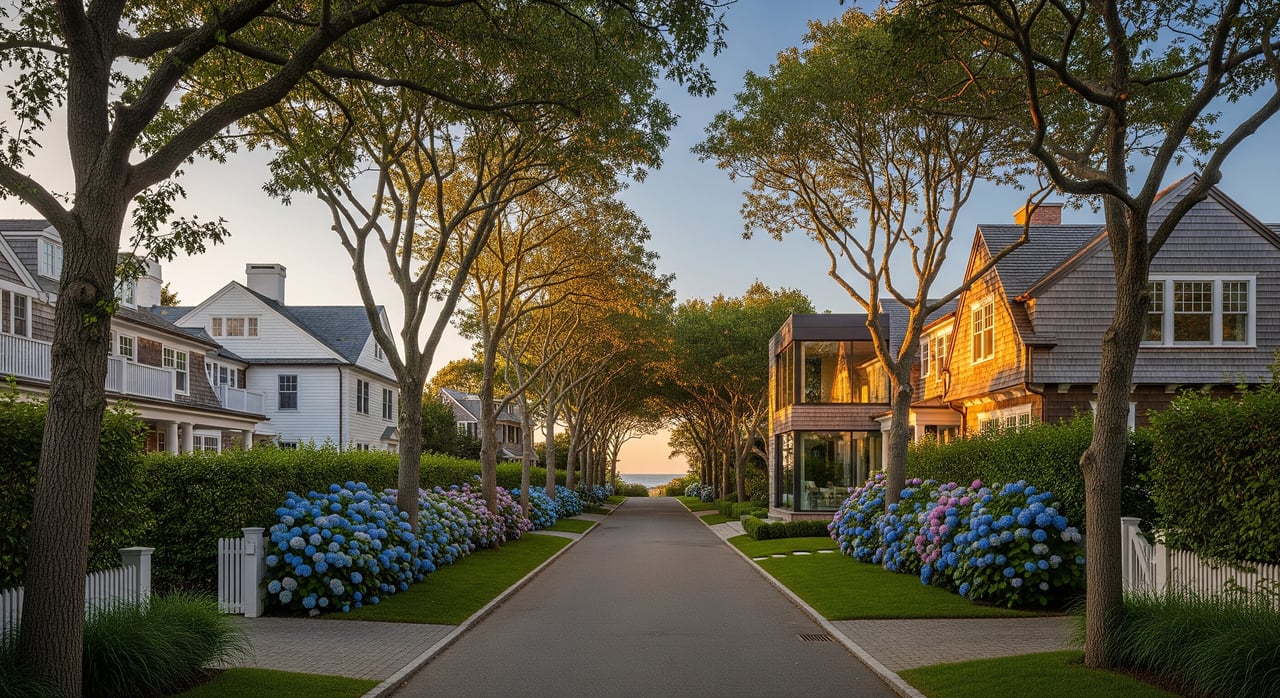
Architecture varies from historic shingle and Victorian styles to contemporary glass and new-build estates. Village zoning, historic districts, and coastal rules influence what you can build or renovate. Second-home buyers often lean toward beach and privacy. Year-round buyers tend to favor walkability and services near the Village core.
Oceanfront lanes and beachfront
What you get
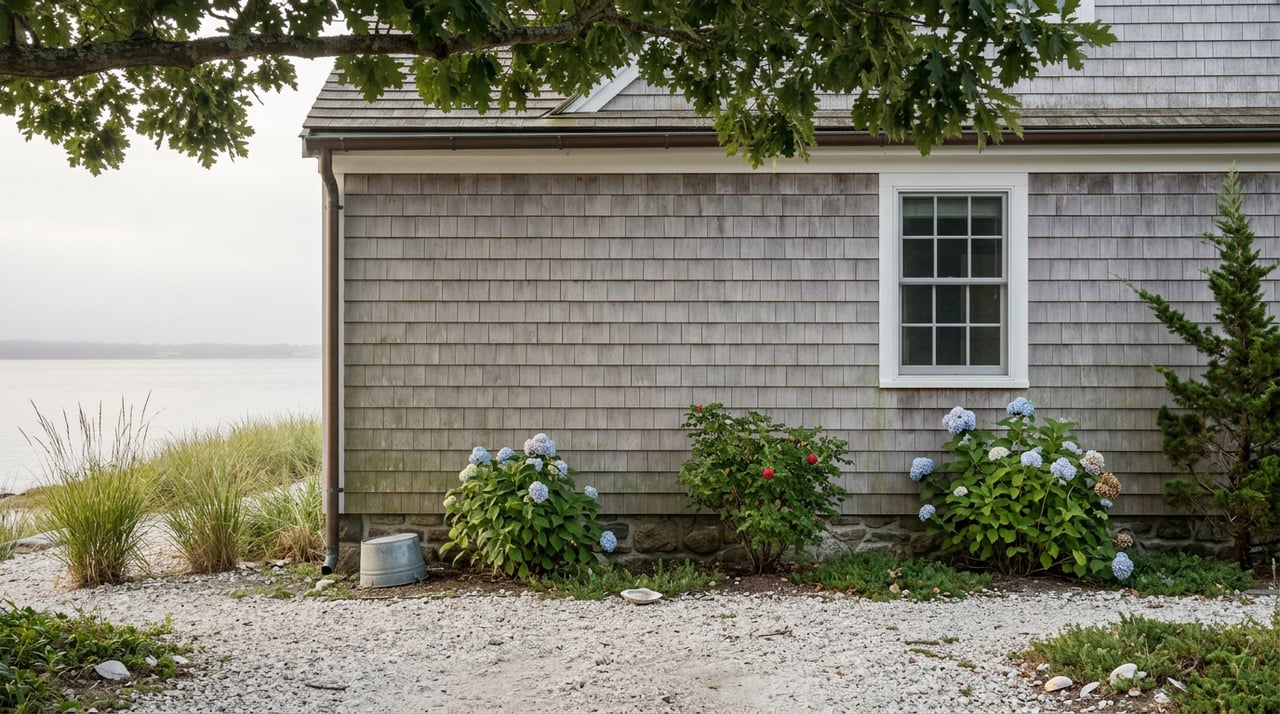
You will see oceanfront and ocean-block listings along barrier-beach lanes often referenced by Meadow Lane and the Coopers Beach corridor. Expect larger shingle estates, modern beach houses, and major renovations oriented to views and outdoor living. Lot shapes vary, but ocean frontage and dune access carry a premium.
Lifestyle tradeoffs
The appeal is direct or immediate beach access, views, and prestige. Walkability to the Village can be limited depending on the lane, and exposure to coastal weather is part of daily life. This segment anchors the top of the Village price spectrum, from high seven figures to multiple tens of millions for significant oceanfront.
What to check before you buy
- Coastal setbacks, FEMA flood zone and elevation, and related insurance costs.
- Dune rules, shoreline permits, and past flood or storm documentation.
- Space for expansion, given lot shape and coastal constraints.
In‑Village core near Main Street
What you get
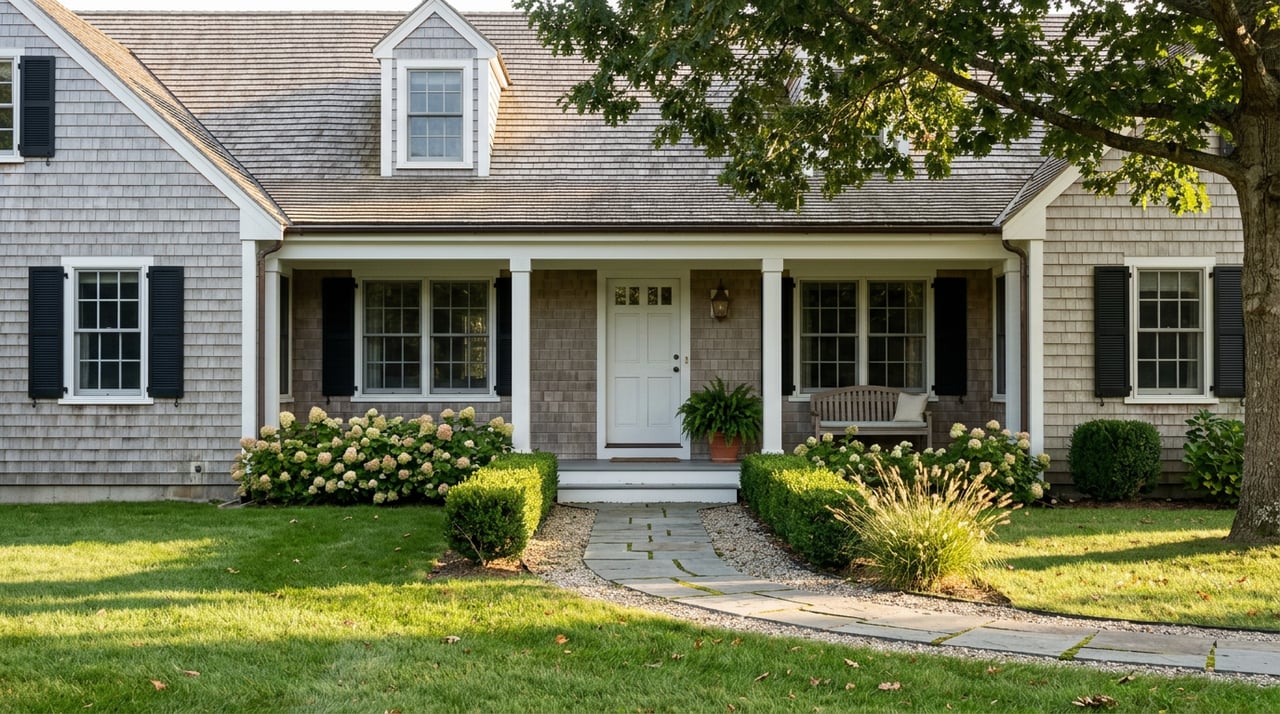
The blocks around Main Street, the library, and the Village Green offer a classic, walkable setting. Architecture includes historic Colonial and Victorian cottages, plus larger homes that have been expanded over time. Lots are smaller than estate sections, often a quarter to a half acre, with some larger parcels.
Lifestyle tradeoffs
You get year-round convenience for shopping, dining, and cultural life. Maintenance is often lighter due to smaller grounds. Privacy and parking can be tighter, and historic-preservation rules can guide exterior changes. Prices range widely, from more approachable cottages to renovated homes in the high seven figures.
What to check before you buy
- Historic district status and what that means for exterior changes.
- Parking, driveway access, and privacy relative to nearby homes.
- Prior permits and layout changes on older properties.
Estate sections and private compounds
What you get
Inland from the beach and set back from the core, you will find larger parcels marketed as private estates or gated compounds. Architecture skews to traditional shingle estates and newer builds with pools, guest houses, and robust amenities.
Lifestyle tradeoffs
Expect privacy, space for tennis or larger pools, and separation from peak-season noise. The tradeoff is longer drives to beaches and the Village center. Prices sit in the higher tier for non-oceanfront properties, spanning mid to high seven figures and into the tens of millions for significant acreage and amenities.
What to check before you buy
- Conservation or historic easements that may limit use.
- Drive times to beaches and Village services during peak season.
- Utility capacity and infrastructure for larger homes and amenities.
Harbor and inlet areas
What you get
Neighborhoods near the Shinnecock Inlet, marina, and canal appeal to boaters. You will see a mix of cottages, waterfront homes with docks, and renovated properties. Large estate construction is less common than on ocean lanes.
Lifestyle tradeoffs
You gain boating and angling access, water views, and seasonal harbor activity. It can be busier on peak weekends due to boat traffic. Some locations face tidal and storm surge exposure.
What to check before you buy
- Riparian rights, existing dock or mooring permits, and dredging schedules.
- Elevation, flood zone, and storm surge risks.
- Noise and activity patterns in high season.
Transitional and adjacent areas
Buyers often compare Village properties with nearby hamlets like Shinnecock Hills, North Sea, Water Mill, and Bridgehampton. These can offer larger lots, different school districts, or different tax and zoning settings, while staying close to Village amenities. Confirm whether a “Southampton address” is inside Village limits, since municipal boundaries govern zoning, services, and rules.
What drives value in the Village
- Ocean frontage and dune access carry the highest premiums.
- Proximity to Main Street, lot size, and the quality of views also shape price.
- Private amenities like pools, guest spaces, and tennis matter in estate sections.
When you compare value, focus on truly comparable sales within the same micro-neighborhood. Two similar homes a few blocks apart can have different pricing due to orientation to the beach, the Village, or the harbor, plus lot characteristics and renovations.
Practical issues that affect livability
Zoning and historic rules
The Village has its own zoning code and historic-preservation overlays that set setbacks, height, and allowed exterior changes. Confirm allowable renovations, expansions, or demolitions with the Village Building Department and, if applicable, the Historic Preservation Commission.
Flood risk and insurance
Many oceanfront and harbor areas fall within FEMA flood zones, including V and AE designations. Flood zone status affects base flood elevation requirements, foundation design, and insurance costs. Lenders often require flood insurance for properties in Special Flood Hazard Areas.
Utilities and coastal wear
Sewer and utility connections vary. Some properties rely on septic systems and wells. Coastal exposure can accelerate wear on HVAC, exterior wood, and metal fixtures. Budget for maintenance cycles accordingly.
Rental rules and permitting
Short-term rental rules vary by municipality. The Village and Town have rules on registration, occupancy, parking, noise, and taxes. If you plan to offset carrying costs with rentals, verify current regulations, any permits, and the property’s rental history.
Taxes and closing costs
Suffolk County and Village taxes contribute to annual carrying costs, which can be significant for oceanfront and estate properties. New York closings include state and county transfer taxes, with additional considerations at very high price points. Consult your attorney or title team for current figures.
A quick buyer checklist
- Recent comparable sales within the same micro-neighborhood.
- Deed, survey, and tax/assessor record.
- Prior permits and Certificate of Occupancy, if available.
- Elevation certificate and flood zone determination.
- FEMA flood-claim history for the parcel.
- Septic inspection or sewer connection documentation.
- Utility connection maps and well testing records, if applicable.
- HOA, covenants, conservation easements, or deed restrictions.
- Rental history and permits if you plan to rent seasonally.
Buying in Southampton Village is about matching your priorities to the right street grid and regulatory setting. If you want beach access and view-driven living, ocean lanes lead the pack. If you value walkability and year-round ease, the in-Village core delivers. If privacy and amenities matter most, estate sections fit the brief. Harbor areas suit boaters who prize water access. The right choice balances lifestyle today with risk, maintenance, and value over time.
If you are weighing options, lean on local valuation and municipal expertise. As a boutique brokerage with a licensed appraisal arm, we help you read the micro-neighborhood signals that comps alone can miss, then negotiate with precision. Ready to compare streets, elevations, and permits side by side? Connect with Jennifer McLauchlen to Request a Valuation & Consultation.
FAQs
Which Southampton Village areas suit year‑round living?
- In-Village core blocks near Main Street often fit year-round routines due to walkability to shops and services, while oceanfront lanes typically suit seasonal use for many buyers.
How do I estimate the oceanfront premium in Southampton Village?
- Compare recent closed sales of similar oceanfront, ocean-block, and inland homes within the Village, then factor frontage, dune protections, depth, views, and construction quality.
What inspections are essential for beach properties in the Village?
- Focus on foundation, pilings and elevation, water intrusion, HVAC and salt corrosion, electrical systems, and documentation such as elevation certificates and any prior flood claims.
How do Village zoning and historic rules affect renovations?
- Confirm setbacks, height, and exterior-change rules with the Village Building Department and Historic Preservation Commission before design, and review prior permits in your title search.
What should I verify for harbor or marina-adjacent homes?
- Confirm riparian rights, existing dock or mooring permits, channel dredging schedules, inlet dynamics like shoaling, and noise patterns during peak boating season.
Where can I find current comps and trend data for the Village?
- Work with a licensed local agent to access the MLS for current comps. Broker market reports focused on the Hamptons provide useful context for broader trends.