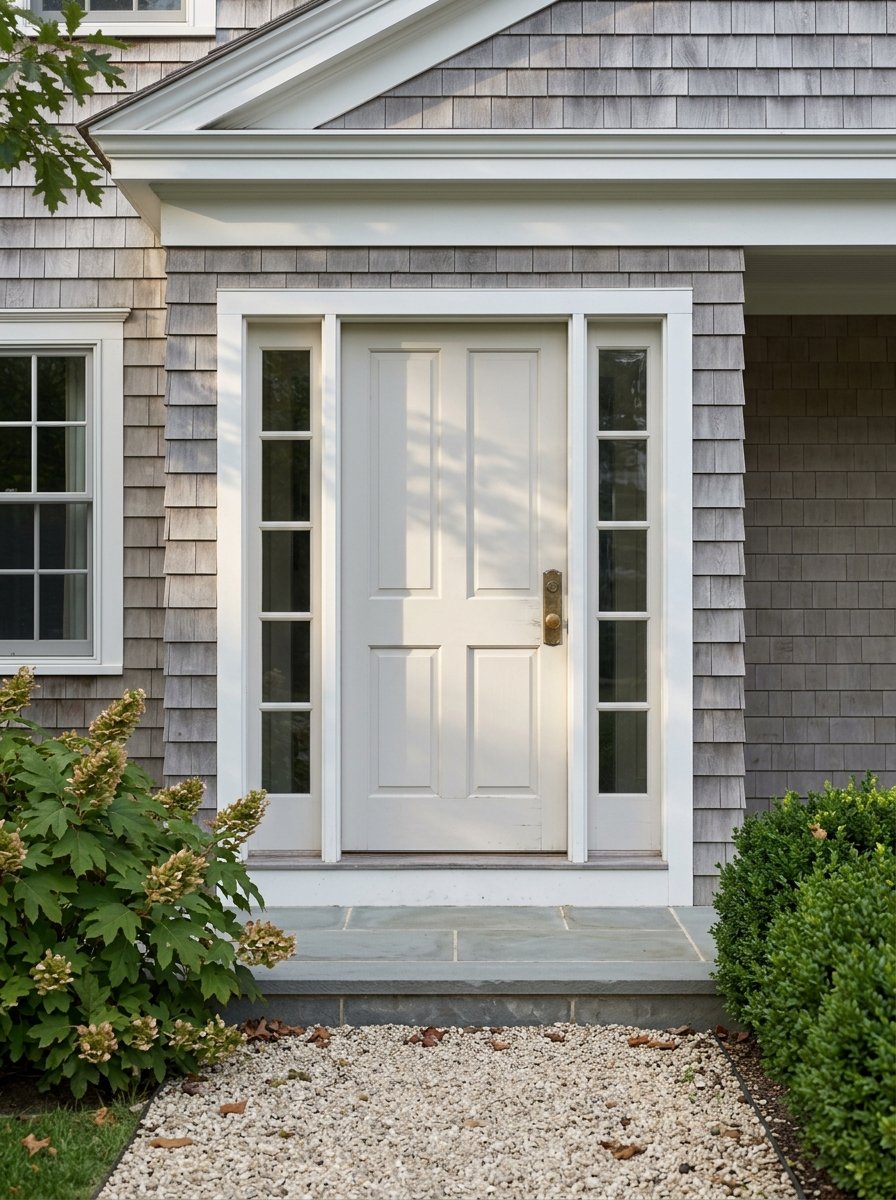
Thinking about restoring a historic house in Sag Harbor? It can be one of the most rewarding property projects in the Hamptons, but it also comes with a different set of rules, costs, and decisions than a standard renovation. If you are buying, updating, or preparing to sell a historic home, understanding the local review process and the property’s true renovation scope can help you protect both character and value. Let’s dive in.
Why historic renovations are different
In Sag Harbor, historic renovation is not just about design preference. It is shaped by local preservation rules, the age and materials of the house, and the village’s focus on protecting visible architectural character.
Sag Harbor’s historic district was first designated in 1973 and later expanded, and the village’s local code drives the real review process for owners. That means the question is not simply whether a home is old, but whether the planned work falls under the village’s preservation requirements.
Local code matters most
A common point of confusion is the difference between recognition and regulation. A home may carry historic significance, but in practice, Sag Harbor’s local code is what controls exterior changes and demolition review.
For many homeowners, that distinction matters early. It affects whether you can move straight to permits or whether you first need village-level approval for visible changes.
When you need a certificate of appropriateness
If your property is in the historic district, exterior alteration, restoration, construction, reconstruction, demolition, moving, or any material change visible from an adjacent street or adjacent property requires a certificate of appropriateness before a building permit can be issued.
This review process can apply to more than major additions. Dormers, porches, garages, siding changes, roofline adjustments, and other visible exterior work may all trigger review.
What usually does not need review
Interior-only renovation is generally not referred to the board unless the changes are visible from the street or an adjacent property. Ordinary maintenance and repair that does not change design, material, color, or outward appearance is also allowed.
That can be helpful if you are updating kitchens, baths, or systems inside the home. Still, it is wise to confirm the scope early if any part of the work might affect what is visible outside.
What the board may review
Sag Harbor’s code ties district character to traditional house placement, setbacks, roof height, massing, exterior materials, and the rhythm of the street. In practical terms, the board is not looking only at the house in isolation. It is also considering how the proposed work fits the surrounding historic fabric.
The board may require exterior finish samples, color samples, and documentation of architectural details or cultural remains. For certain applications involving historic structures, a 2025 local law also adds a construction protocol and preservation plan explaining how historic materials will be identified, retained, and preserved while minimizing replacement.
Repair often comes before replacement
One of the biggest mindset shifts with a historic property is that rehabilitation usually prioritizes repair over full replacement. The planning approach used by the village emphasizes retaining historic materials and features where possible and making new work compatible in size, scale, material, and massing.
That does not mean a house must remain frozen in time. It means updates should be thoughtful, well-documented, and appropriate to the building’s character.
Know your home’s era and materials
Sag Harbor’s building stock spans from the mid-1700s forward, reflecting its history as a whaling port and later village center. The historic district includes residential and commercial buildings from the 18th, 19th, and pre-World War II eras, with wood-framed homes predominating.
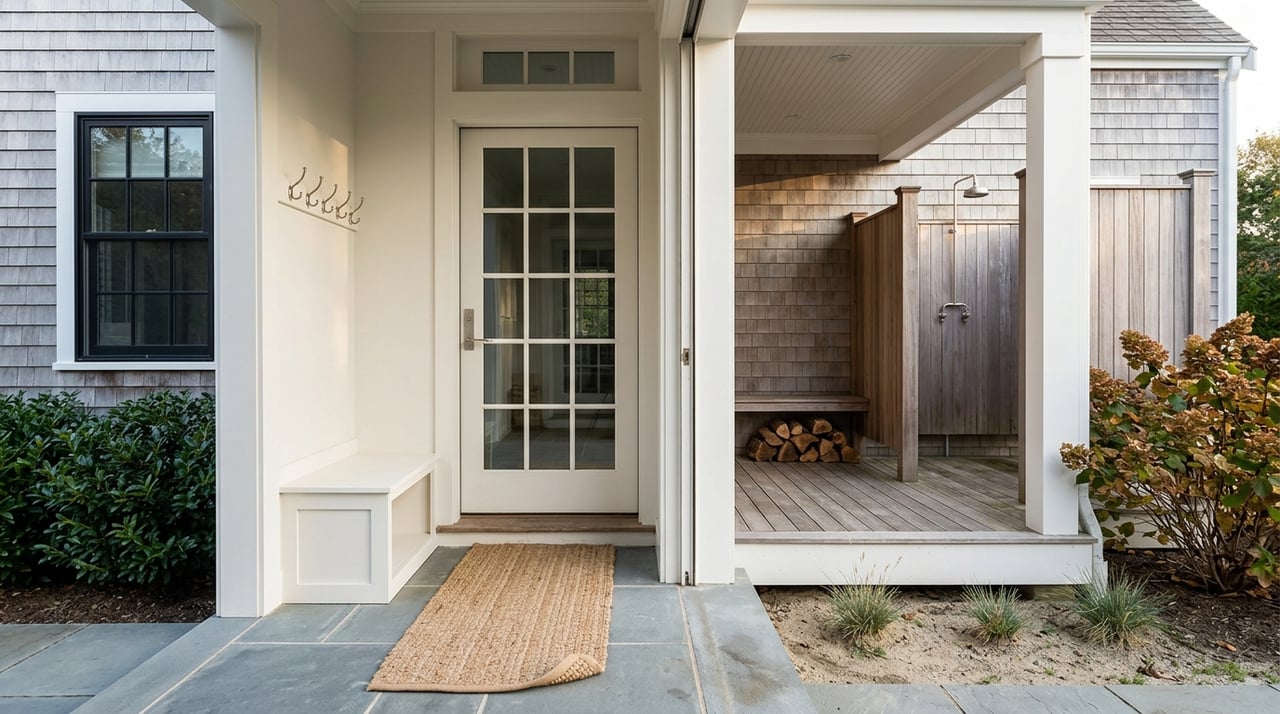
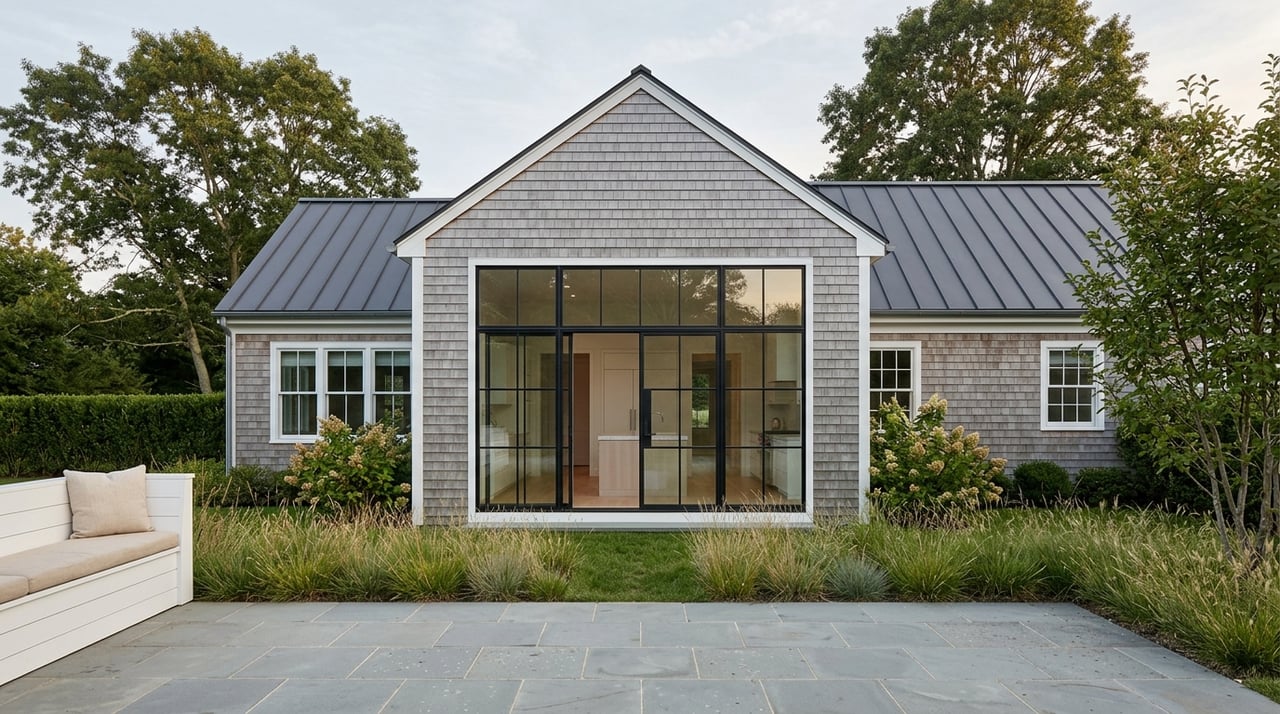
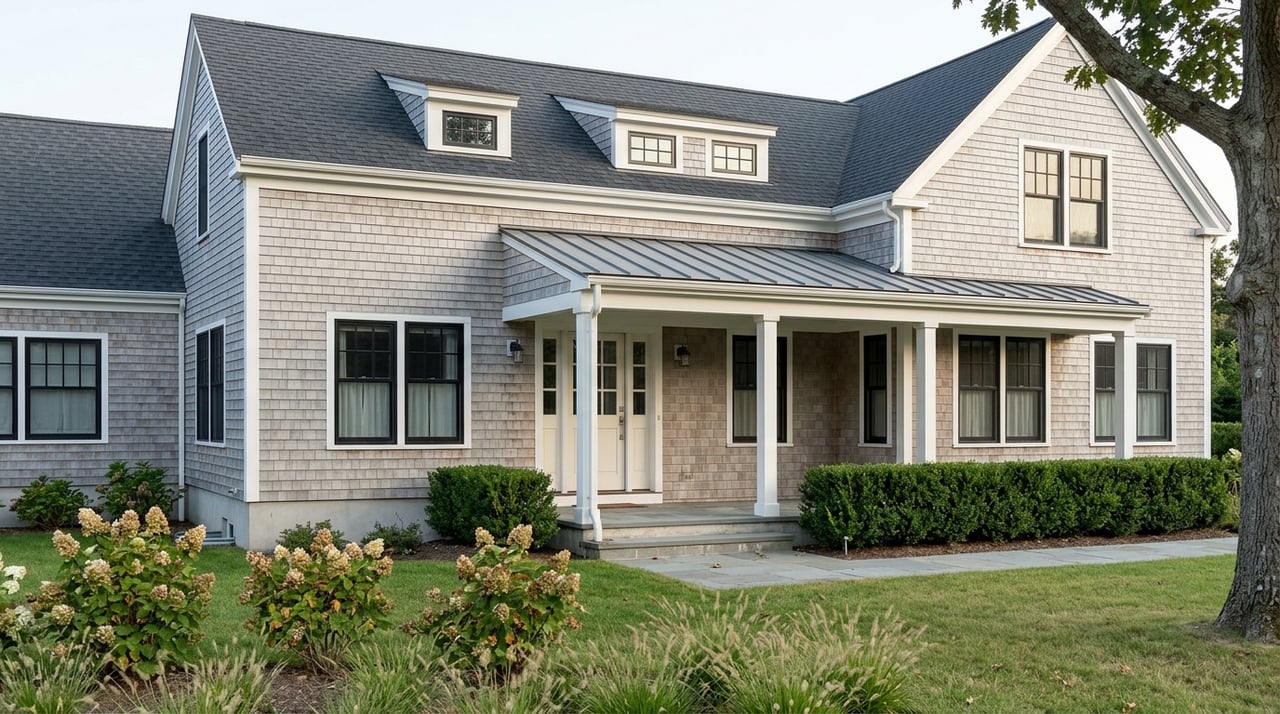
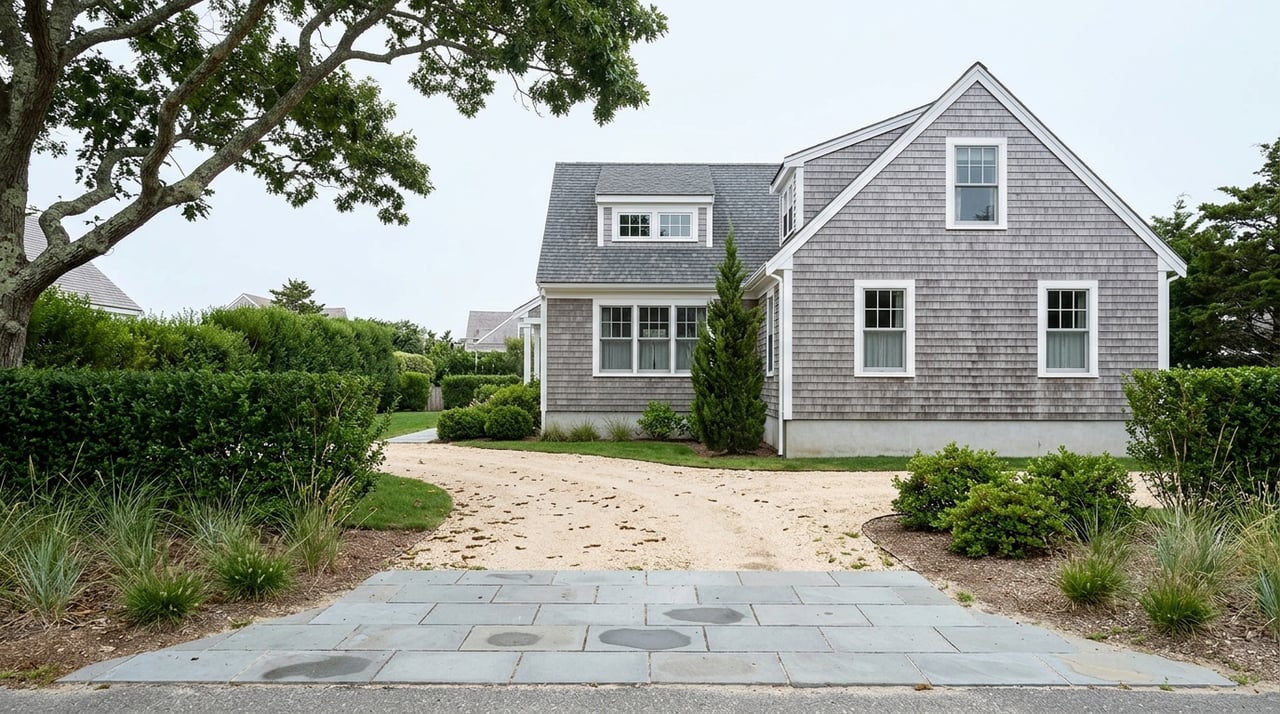
You may see styles ranging from Federal and Greek Revival to Victorian and Queen Anne, along with brick commercial structures and later postwar homes. Exterior materials often include wood shingle or clapboard siding, sometimes paired with brick or stone veneer.
Materials shape renovation choices
The house’s original materials matter because the right renovation plan for a cedar-shingled 19th-century home may differ from the right approach for a later house with different detailing. Matching the architectural period and material palette can be just as important as the floor plan changes you want inside.
This is especially relevant in Sag Harbor, where many properties sit on relatively small parcels. Additions and exterior changes can quickly affect scale, visibility, and how the house reads from the street.
Plan for consultants and careful documentation
Historic home projects often require more professional input than newer-home renovations. Depending on the scope, you may need an architect, engineer, or historic consultant to help document the building, develop an appropriate plan, and respond to village requirements.
That extra planning can save time later. A well-prepared application is often easier to evaluate than a rushed one that leaves questions about materials, preservation steps, or structural conditions.
Structural issues need proof
If demolition is proposed because a historic building is structurally unstable or deteriorated, the village requires an architect or engineer report detailing the problems and including cost estimates for correction. The village may also require a professional historic consultant or engineer to monitor work, with those costs paid by the applicant.
This reinforces an important point for buyers and owners alike. Before assuming a building is a tear-down or that replacement is the only path, you need a documented, professional analysis.
Safety risks in older homes
Older homes can carry hidden health and safety issues that affect both budget and timeline. Two of the most common are lead and asbestos.
In pre-1978 homes, renovation work that disturbs painted surfaces can create dangerous lead dust. Asbestos may also be present in older materials, and if remodeling could disturb it, trained and accredited professionals are typically needed for repair or removal.
Why testing matters early
Testing and lead-safe work practices are not small side notes. They can affect contractor selection, work methods, containment, scheduling, and total cost.
If you are evaluating a property purchase, these items should be part of your early due diligence. If you already own the home, they should be addressed before the project scope is finalized.
Expect a longer timeline
A Sag Harbor historic renovation timeline should include more than design and construction. Permit applications are processed in the order received, and the building department notes that exact processing times are unavailable due to backlog.
Historic review adds additional steps. The board has up to 30 days to decide whether to hold a hearing, a hearing must occur within 60 days of a complete application if one is held, and a final decision must be issued within 60 days after a complete application or after the hearing closes.
Hearings add time and notice requirements
Some projects are especially time-intensive. Demolition or removal of a landmark or contributing building, as well as any building of 3,000 square feet or more, is subject to a mandatory public hearing.
If a hearing is required, the village publishes notice at least 10 days before the hearing. The applicant must also mail notice to owners of record within 200 feet and post a sign on the property at least 10 days before the hearing.
Budget for soft costs, not just construction
Many renovation budgets start with finishes and labor, then grow as the planning process becomes clearer. In Sag Harbor, a realistic budget may also need to include architect fees, engineering reports, historic consultant monitoring, lead-safe practices, asbestos testing or abatement, finish samples, and possible bonds or sureties.
Approvals are valid for two years, which is useful to know when sequencing design, permitting, and construction. If your project is large or complex, that time frame should be considered as part of the overall planning strategy.
Historic character can affect value
Historic review can influence both cost and marketability. The board evaluates materials, scale, roof height, and massing, and it may disapprove work it sees as detrimental to surrounding character, property values, or development patterns.
That is why valuation insight matters with these properties. A buyer or seller may need help separating the value of intact historic character from the added cost and complexity of preserving it under local rules.
Smart steps before you start
If you are considering a historic home renovation in Sag Harbor, a measured approach usually pays off. The goal is to understand what you own, what the village will review, and how that scope affects timing, budget, and long-term value.
A practical starting checklist can help:
- Confirm whether the property is in the local historic district
- Identify which planned changes are visible from the street or adjacent property
- Review the home’s architectural period and primary exterior materials
- Consult an architect or engineer if structural issues are involved
- Ask early whether a certificate of appropriateness will be required
- Build in time for potential hearings and application revisions
- Budget for lead-safe work, asbestos concerns, and professional documentation
- Consider how preservation decisions may affect resale appeal and valuation
Renovating a historic Sag Harbor home can be deeply rewarding when the process is handled with care. With the right local guidance, you can make informed decisions that respect the property’s character while protecting your investment.
If you are weighing a purchase, planning a renovation, or preparing to sell a distinctive village property, Jennifer McLauchlen can help you evaluate market position, property value, and the local context that shapes smart decisions in Sag Harbor.
FAQs
Do I need historic approval for interior renovation in Sag Harbor?
- Usually no, unless the interior changes are visible from an adjacent street or adjacent property.
What exterior work on a Sag Harbor historic home needs review?
- Exterior alterations, restoration, construction, reconstruction, demolition, moving, or material changes visible from an adjacent street or property generally require a certificate of appropriateness before a building permit can be issued.
Can I demolish a historic house in Sag Harbor?
- Demolition is tightly constrained for landmarks and contributing buildings, and certain demolition or removal applications require a mandatory public hearing.
How long can a Sag Harbor historic renovation approval take?
- Timing depends on the application, but review can include permit backlog, up to 30 days for the board to decide on a hearing, hearing scheduling within 60 days if needed, and a final decision within 60 days after a complete application or hearing close.
What extra costs should I expect when renovating an older Sag Harbor home?
- In addition to construction costs, you may need to budget for architects, engineering reports, consultant monitoring, lead-safe work, asbestos testing or abatement, finish samples, and possible bonds or sureties.
Why does valuation matter with a historic Sag Harbor property?
- Historic character can support market appeal, but local review rules can also affect renovation cost, scope, and buyer expectations, which makes informed valuation especially important.