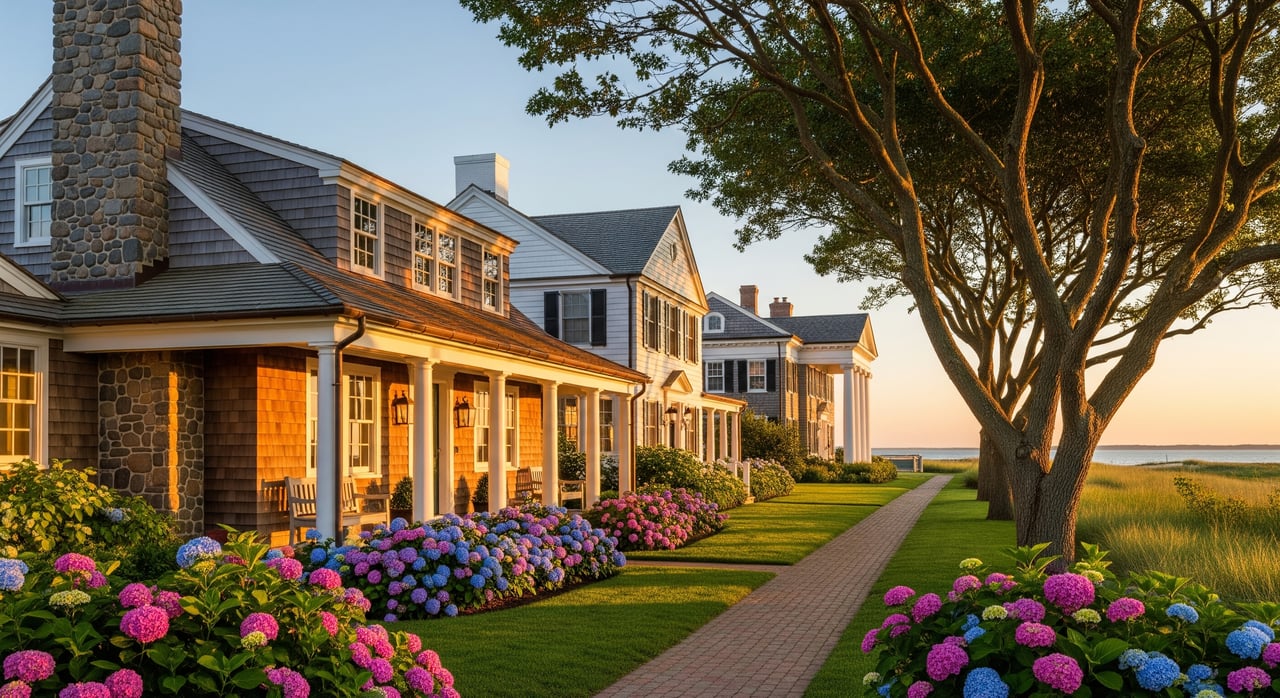
If you have ever strolled past a weathered cedar façade or a crisp white portico in Southampton Village and wondered what you are looking at, you are not alone. Style is part of the Hamptons story, and it often shapes how buyers feel and what sellers can command. In this guide, you will learn how to quickly identify the Village’s most common architectural styles, what buyers tend to value in each, and what to consider for maintenance, permits, and renovations. Let’s dive in.
Why style matters in Southampton
Architecture in Southampton Village reflects seaside living, historic summer estates, and thoughtful modern construction. Style often influences first impressions, renovation complexity, and long-term upkeep. It can also affect how your home competes in the market, especially when authenticity, materials, and condition line up with buyer expectations.
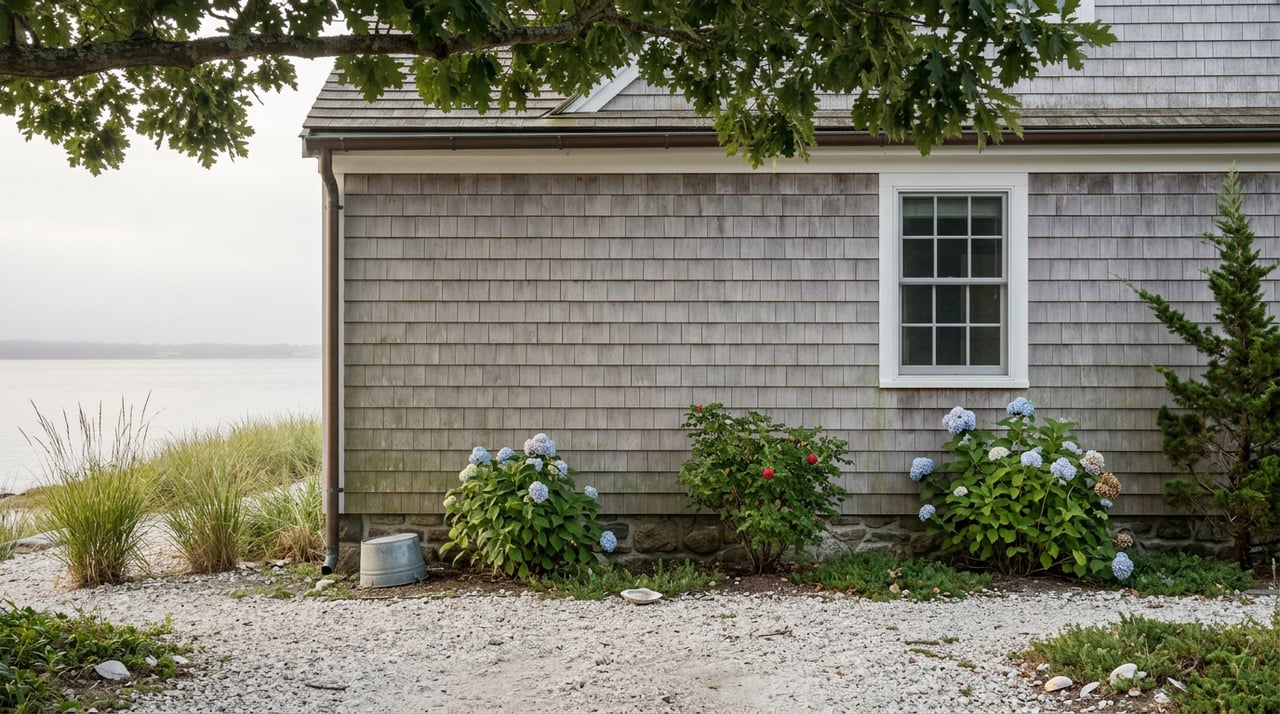
Coastal weather matters too. Salt air, wind, and strong sun reward durable materials like shingles, clapboard, and quality roofing. Many homes use porches, deep eaves, and site orientation to catch breezes and protect exteriors.
Quick style ID at a glance
Use this cheat sheet when you tour or review photos:
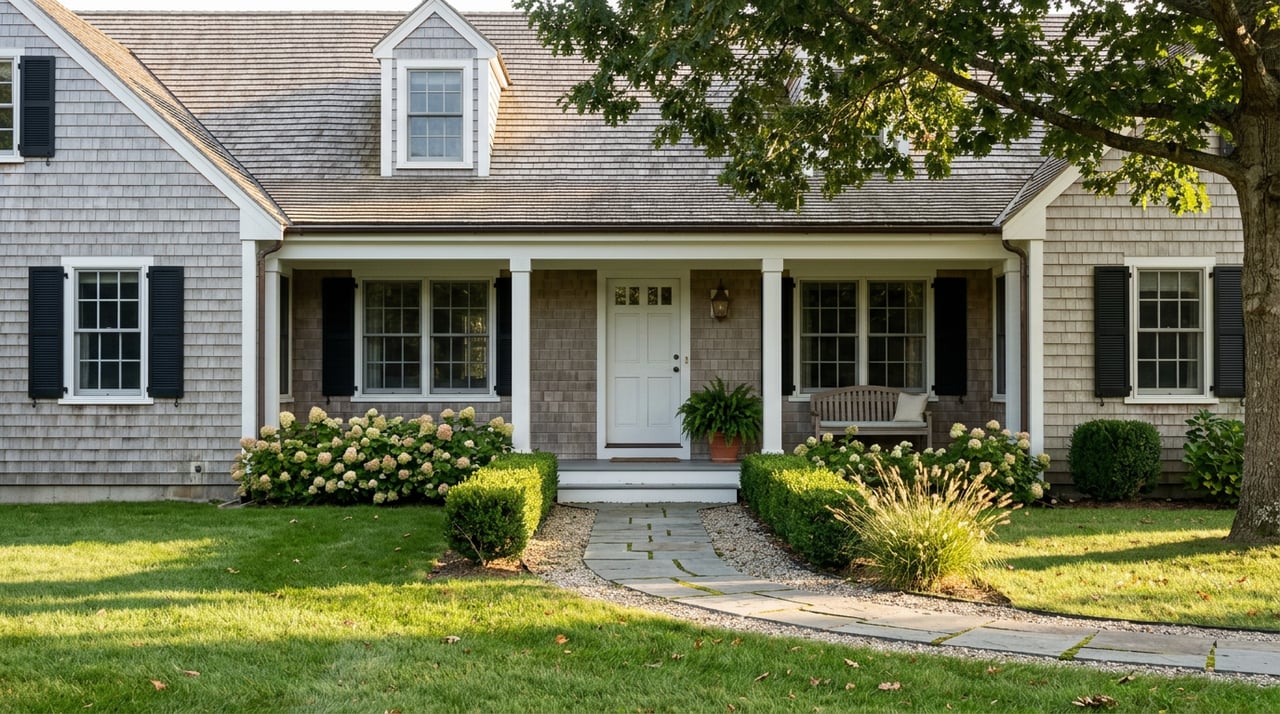
- Shingle Style: Continuous cedar shingles across walls and roof transitions, complex rooflines with gambrels or cross gables, wide porches, and asymmetry. Minimal classical trim, more texture and massing.
- Classic Colonial/Colonial Revival: Symmetrical front, centered door with pediment or portico, double-hung multi-pane windows, clapboard or painted siding, and balanced proportions.
- Modern Farmhouse: Simple gabled forms, board-and-batten or painted clapboard, large porches, black-framed windows, and clean modern trim.
Shingle Style
How to spot it
- Continuous cedar shingles that wrap wall and roof transitions, often weathered gray.
- Asymmetrical massing with gambrel or cross-gable roofs, eyebrow dormers, and broad eaves.
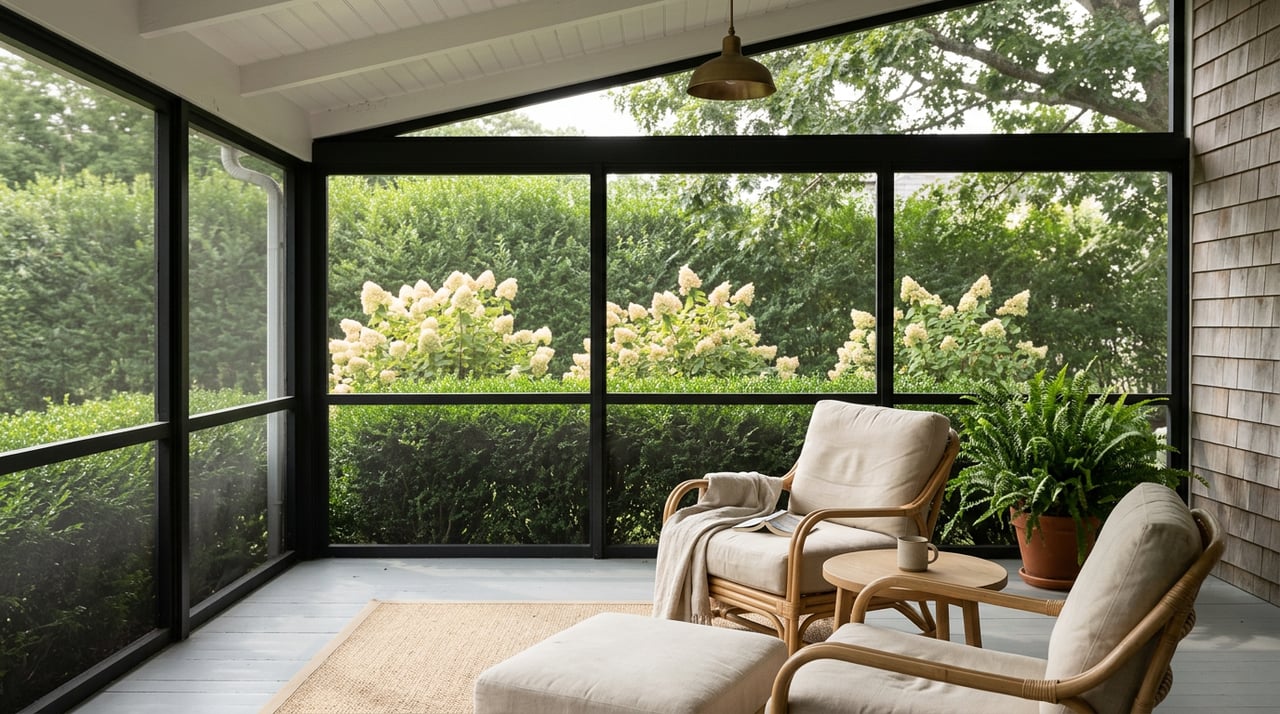
- Porches recessed under rooflines, large chimneys, and grouped windows that favor picturesque views over strict symmetry.
Inside the layout
- Interconnected rooms and larger public spaces that feel casual and flowing.
- Built-in benches, window seats, and custom woodwork in older examples.
Materials and maintenance
- Cedar shingles, timber framing, and wood sash windows. Some homes use composite shingles as replacements.
- Expect periodic shingle repair or replacement, flashing checks at roof junctions, and attention to trim and complex rooflines.
Buyer appeal and value notes
- Seen as the authentic Hamptons look, especially when original character and setting are intact.
- Often draws strong interest from buyers who value history and a coastal feel.
Renovation and permitting tips
- If the home sits in a historic district or is landmarked, exterior changes may need review by the Village’s Landmarks or Preservation bodies and standard building permits.
- Aim for system upgrades that protect character: discreet HVAC, careful insulation, and historically sensitive window work.
Classic Colonials
How to spot it
- Symmetrical façade with a centered entry.
- Gable or hipped roof, multi-pane double-hung windows, and a decorative door surround, transom, sidelights, or a small portico.
- Clapboard or painted siding and classical details like pilasters, cornices, or dentil molding in Revival-era homes.
Inside the layout
- Earlier layouts often use a central hall with formal rooms to either side.
- Colonial Revival versions keep classical details but offer more flexible floor plans.
Materials and maintenance
- Painted clapboard or shingles and wood sash windows.
- Plan on periodic exterior painting, monitoring sills for wood rot, and considering energy upgrades for older windows.
Buyer appeal and value notes
- Timeless and familiar, with symmetry and traditional detailing that many buyers trust.
- Well-executed Colonial Revival homes align with “classic” Hamptons expectations while allowing comfortable updates.
Renovation and permitting tips
- Additions that respect symmetry and scale are better received and often protect resale value.
- Confirm zoning setbacks, coverage, and height before planning expansions, and verify any historic reviews if applicable.
Modern Farmhouse
How to spot it
- Clean gabled forms with simple massing.
- Board-and-batten or painted clapboard, often white or neutral, with contrasting black-framed windows and occasional metal roof accents.
- Large covered porches and streamlined trim.
Inside the layout
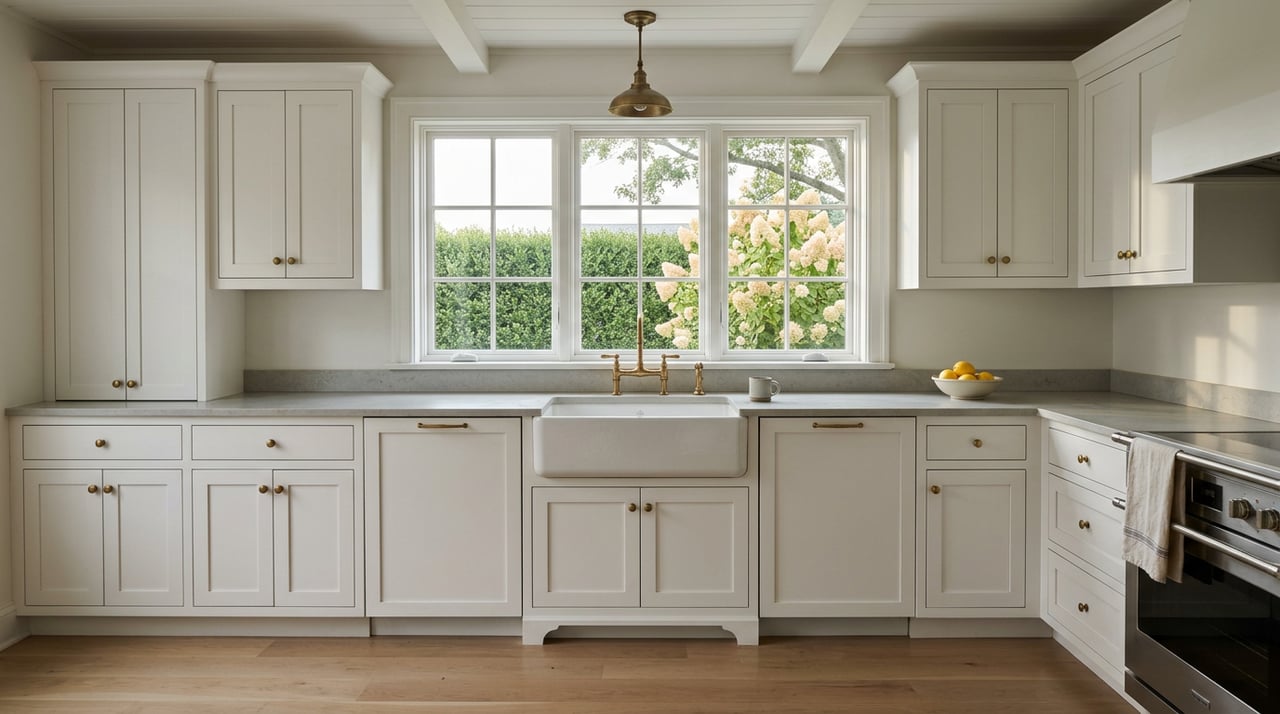
- Open-plan kitchen, dining, and living spaces, with contemporary finishes and efficient systems.
- Exposed beams and barn-style accents used for look rather than structure.
Materials and maintenance
- Modern windows, insulation, and siding options like fiber cement or engineered shingles for lower upkeep.
- Improved energy performance and fewer short-term repairs when materials are specified correctly.
Buyer appeal and value notes
- Popular with buyers seeking a classic exterior and modern interiors.
- Context matters. Homes that fit the neighborhood’s character tend to resonate more.
Renovation and permitting tips
- New builds and remodels often sail through faster than historic restorations, but always confirm Village requirements.
- Keep massing consistent with nearby homes to support neighborhood fit and future resale.
Touring and photo checklist
When you preview homes or prepare a listing, capture the features that define style and quality:
- Full façade photo at eye level that shows the roofline and massing.
- Close-ups of shingles, clapboard, board-and-batten, window muntin patterns, and porch or portico details.
- Rooflines and dormers, especially gambrels or cross gables in Shingle Style homes.
- Interior layout cues: central hall or formal parlor for Colonial, open kitchen-living areas for Modern Farmhouse, exposed beams or window seats for Shingle Style.
- Site context that shows setback, landscape, and relationship to neighboring homes.
Use captions that name the style and point out two or three visible features. Note whether details are original, restored, or a modern interpretation.
Permits and historic oversight
Southampton Village includes historically significant buildings and areas. Exterior changes on designated properties may require review by local Landmarks or Preservation bodies in addition to standard building permits.
Before you plan work:
- Confirm if the property is in a locally designated historic district or individually landmarked.
- Identify any design review steps for exterior changes, including material swaps or additions.
- Check zoning for setbacks, lot coverage, and height that can shape additions or new construction.
- Consult a local architect or contractor familiar with Village processes to streamline approvals.
Renovation priorities that protect value
- Modernize kitchens and baths while keeping defining exterior features intact.
- Upgrade HVAC, insulation, and roofing with attention to moisture and salt air.
- Be cautious when replacing original wood with vinyl or low-detail composites on historic homes, since authenticity can influence buyer appeal.
- If replacing windows, balance energy performance with historic character where reviews apply.
Choosing the right style for your goals
- Choose Shingle Style if you love texture, porches, and informal coastal character. Plan for more detailed maintenance.
- Choose Classic Colonial if you value symmetry, tradition, and a timeless street presence. Expect periodic painting and window care.
- Choose Modern Farmhouse if you want a fresh, bright interior and lower maintenance with a familiar, gabled exterior.
Whatever you choose, remember that style is one part of value. Lot, location, condition, and approvals all matter in Southampton Village. A thoughtful plan that aligns style with systems and site will position you well for both living and resale.
Ready to evaluate a property’s style, condition, and market path? For integrated brokerage and certified valuation guidance, connect with Jennifer McLauchlen for a Request a Valuation & Consultation.
FAQs
How to identify a Shingle Style home in Southampton Village
- Look for continuous cedar shingles on walls and roof transitions, asymmetrical massing with gambrels or cross gables, wide porches, and minimal classical trim.
Does architectural style impact resale value in Southampton Village
- Style shapes buyer perception and segments; authentic Shingle Style and well-executed Colonial Revival homes can command premiums in desirable locations, while modern farmhouses attract those seeking lower maintenance and contemporary interiors.
What are key maintenance differences by style in Southampton Village
- Shingle Style needs shingle and flashing care, Colonial requires periodic painting and window upkeep, and Modern Farmhouse often benefits from lower maintenance modern materials.
Can you modernize a historic Southampton Village home without losing character
- Yes, focus on kitchens, baths, and systems while preserving defining exterior features, and obtain required approvals for designated properties.
What should buyers photograph to compare styles in Southampton Village
- Capture a full façade, roofline, siding close-ups, window patterns, signature porches or porticos, interior layout shots, and a site context image to see setback and neighboring homes.